
.jpeg)
How long should trametinib (Megenin) be taken before discontinuation can be considered and clinical recommendations
Trametinib (Trametinib), as a MEK inhibitor, is often combined with dabrafenib for the treatment of BRAF mutated melanoma, some thyroid cancers, or lung cancers. Whether the drug can be discontinued depends on the persistence of efficacy, tumor stage, imaging results, and individual tolerance. Generally speaking, trametinib is a long-term treatment drug. Most patients need to take it continuously to maintain disease control and will not actively recommend discontinuation of the drug in the short term. Even if the lesions shrink significantly after several months of treatment, maintenance treatment is usually continued to reduce the risk of recurrence. This is a common clinical treatment strategy.
In targeted therapy, trametinib discontinuation is mainly based on three indicators: the time for disease stabilization or remission, whether there are obvious toxic reactions, and whether there is disease progression. If the patient's imaging evaluation after 3–6 months shows sustained partial response without intolerable side effects, it is usually recommended to continue taking it. Many patients need to take it for more than a year or even longer to keep their condition stable. Tumors may regrow within a short period of time if treatment is stopped early, especially in metastatic disease, where progression occurs within weeks to months after stopping treatment, so doctors rarely recommend stopping targeted therapy while tumors are still present.
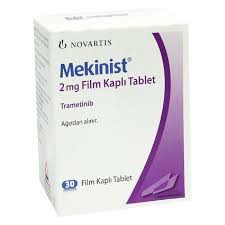
If the patient cannot tolerate it due to obvious toxic reactions, such as persistent decline in myocardial function, severe rash, recurrent fever, eye complications, etc., clinical dosage reduction or temporary discontinuation may be considered. The usual approach is to pause for a few days to two weeks and then resume treatment at a lower dose after symptoms subside, rather than discontinuing the drug completely. Only when serious adverse reactions cannot be reversed or symptoms still recur after restarting the drug will permanent discontinuation of the drug and replacement of other treatment options be considered.
For patients who are long-term stable and achieve complete remission (CR), there is currently no clear consensus on the time point at which the drug can be safely discontinued. Some studies have explored discontinuation of medication after more than 1–2 years of complete remission, but the risk of recurrence still exists, so most doctors still prefer individualized assessment and close follow-up. If you plan to stop taking the drug, it should be done under the guidance of a doctor, and strict imaging monitoring should be arranged, such as review every 2–3 months. Once early signs of relapse occur, treatment usually needs to be restarted immediately to increase the success rate of controlling the disease again.
Reference materials:https://www.drugs.com/
[ 免责声明 ] 本页面内容来自公开渠道(如FDA官网、Drugs官网、原研药厂官网等),仅供持有医疗专业资质的人员用于医学药学研究参考,不构成任何治疗建议或药品推荐。所涉药品可能未在中国大陆获批上市,不适用于中国境内销售和使用。如需治疗,请咨询正规医疗机构。本站不提供药品销售或代购服务。


