
.jpeg)
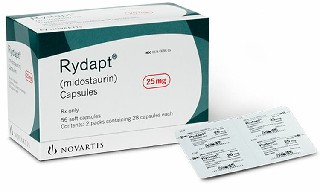
A complete interpretation of the Chinese detailed instructions and medication guide for Midostaurin
1. Drug Overview and Mechanism of Action
Midostaurin is a multi-target protein kinase inhibitor that mainly inhibits FLT3, KIT, PDGFR and other signaling pathways, and can interfere with the proliferation, survival and differentiation of tumor cells. It is a first-line targeted drug clinically used for FLT3 mutant acute myeloid leukemia (AML) and an important treatment option for diseases related to systemic mastocytosis (SM). The characteristics of the drug include: ① It can be combined with chemotherapy drugs to enhance the response rate; ② It can directly inhibit abnormal tyrosine kinase activity; ③ It can improve overall survival. It is a standard combination regimen recommended by multiple international guidelines.
二、适应症及用法用量(核心说明书内容)
1. Indications
(1) FLT3 Initial treatment of mutation-positive AML AML : Midostaurin needs to be used in combination with standard induction therapy (cytarabine + daunorubicin) and continued for consolidation therapy after remission.
(2) Aggressive systemic mastocytosis (ASM), mast cells with eosinophilia Leukemia (SM-AHN), mast cell leukemia (MCL): used to improve mast cell load and related symptoms.
2. 推荐剂量
(1)AML: 50 mg twice daily, taken on days 8–21 of induction and consolidation chemotherapy. Maintenance treatment can be considered after complete remission, but the specific course of treatment needs to be based on the doctor's plan.
(2)ASM/MCL/SM-AHN: Daily 100 mg twice daily until disease progression or intolerance.
Midostaurin should be swallowed whole and taken with food to reduce gastrointestinal discomfort.
3. Adverse reaction and risk monitoring guidelines
The adverse reactions of midostaurin are related to dose, combination chemotherapy and underlying diseases. The response patterns of patients with AML are different from those of patients with mastocytosis. AML
Common adverse reactions include:
① Nausea, vomiting, and diarrhea: This drug significantly irritates the gastrointestinal mucosa and may occur within a few days after starting to take the drug. It is recommended to take it with food and use antiemetics as directed by your doctor.
② Neutropenia, anemia, and thrombocytopenia: are more common especially in combination chemotherapy. Blood routine needs to be closely monitored. Once severe bone marrow suppression occurs, it is necessary to evaluate whether to delay treatment.
③ Pulmonary toxicity, cough, and dyspnea: Once persistent shortness of breath or imaging changes occur, the risk of interstitial pneumonia should be alerted, and the drug should be discontinued for evaluation if necessary.
④ QT Interval prolongation: ECG needs to be done before taking the medicine and during treatment, and electrolyte levels (potassium, magnesium) should be monitored.
⑤ Abnormal liver function: AST, ALT or elevated total bilirubin are common, and liver function should be monitored regularly.
If intolerable adverse reactions occur, the doctor may adjust the dose to once a day or briefly discontinue and then resume.
4. Contraindications and people to use with caution
(1) It is prohibited for those who are allergic to midostaurin or excipients.
(2) Contraindicated in pregnant women: This drug may cause fetal damage. Women of childbearing age need to use effective contraception during treatment and for at least 4 months after stopping the drug. Men should also pay attention to contraceptive recommendations.
(3) Contraindicated during breastfeeding: It is not clear whether it is secreted into breast milk, but breastfeeding should be stopped based on the potential risk.
(4) Use with caution in patients with severe arrhythmias and QT prolongation.
(5) Patients with severe liver function impairment need to be carefully evaluated because drug metabolism is mainly through CYP3A4.
5. Points to note on drug interactions and combination therapy
Midostaurin is a CYP3A4 substrate, so coadministration with potent inhibitors / inducers will significantly affect plasma concentrations:
① Avoid combined use with potent CYP3A4 inhibitors (clarithromycin, itraconazole, posaconazole, etc.). If combined use is necessary, close monitoring of toxicity is required.
② Avoid strong CYP3A4 inducers (rifampicin, carbamazepine, etc.) to avoid reducing the efficacy.
③ It is not recommended to use it at the same time with drugs that prolong QT .
AML During chemotherapy, you must strictly follow the regimen and do not increase or decrease the number of days on your own, otherwise the remission rate will be affected.
6. Medication monitoring and follow-up recommendations
During the entire treatment period, the following monitoring is required:
• Weekly blood tests (more frequent during induction period);
• Liver and kidney function, blood electrolytes;
• ECG monitoring QT;
• Imaging or bone marrow assessment of treatment response (AML);
• Indicators related to mast cell burden (e.g., Tryptase levels).
Any discomfort lasting more than 24–48 hours should be reported to the doctor promptly.
7. Daily medication tips and life management for patients
Patients should pay attention to maintaining good nutrition and reducing spicy and irritating foods during medication to reduce gastrointestinal irritation. Maintaining adequate fluid intake can alleviate some adverse reactions. Avoid alcohol to reduce the burden on your liver. If you miss a dose, do not take the double dose. If you have fever, signs of infection, severe diarrhea, difficulty breathing, etc., you should seek medical attention immediately.
For patients with systemic mastocytosis who receive long-term treatment, they should also pay attention to symptoms such as decreased bone density, changes in splenomegaly, and allergic reactions. If you plan to have surgery or change medications, you should inform your doctor in advance that you are taking midostaurin.
Reference materials:https://www.drugs.com/
[ 免责声明 ] 本页面内容来自公开渠道(如FDA官网、Drugs官网、原研药厂官网等),仅供持有医疗专业资质的人员用于医学药学研究参考,不构成任何治疗建议或药品推荐。所涉药品可能未在中国大陆获批上市,不适用于中国境内销售和使用。如需治疗,请咨询正规医疗机构。本站不提供药品销售或代购服务。


