
.jpeg)
What are the symptoms and how to deal with allergies to decavatinib?
Deucravacitinib is an oral selective JAK1 inhibitor mainly used for the treatment of moderate to severe plaque psoriasis and other immune-related diseases. Although its efficacy is obvious, some patients may have allergic reactions to drug ingredients or excipients. Understanding the symptoms and response methods of deuterated colexitinib allergy is of great significance to ensuring patient medication safety and timely handling of adverse events.
Anaphylaxis may manifest as mild, moderate or severe symptoms. Mild to moderate allergies usually include skin itching, erythema, urticaria, localized edema or rash, sometimes accompanied by mild fever or general malaise. This type of reaction usually occurs in the early stages of medication, usually within hours to days after taking the medication. For mild to moderate allergic reactions, patients should promptly notify their doctor, who may recommend discontinuation of medication or short-term use of antihistamines or topical glucocorticoids for symptomatic treatment. When patients notice skin reactions, they can avoid scratching or using irritating skin care products to prevent aggravation of symptoms or secondary infection.
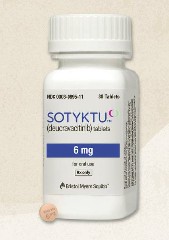
Although serious allergic reactions are rare, high vigilance is required if they occur. Typical symptoms include swelling of the face, lips or throat, difficulty breathing, shortness of breath, chest tightness, dizziness and even a drop in blood pressure, suggesting the possibility of anaphylaxis (Anaphylaxis). If the above symptoms occur, you should immediately stop taking deuterated colexitinib and seek emergency medical treatment. The hospital will administer intravenous epinephrine, antihistamines, glucocorticoids and necessary life support measures according to the situation. For patients with a history of severe drug allergy, deuterated colexitinib should be used with caution under the guidance of a doctor, and if necessary, the first dose should be tried under medical supervision.
In addition to immediate treatment of allergy symptoms, follow-up and monitoring are required after an allergy occurs. Your doctor will evaluate the degree of allergy, risk of recurrence, and alternative treatment options to avoid severe reactions from re-exposure. For patients with mild to moderate allergies, you may consider reducing the dose or taking medication intermittently, and closely observe changes in skin rash and hematological indicators. For patients with severe allergies, the drug should be stopped completely and other effective treatments should be selected according to the condition, such as phototherapy, other immunosuppressants or targeted drugs. At the same time, patients and their families should understand drug allergy warning signs and avoid taking medications or reusing medications without the guidance of a physician.
In short, allergic reactions to deuterated colexitinib mainly manifest as skin symptoms, local edema and general discomfort. In severe cases, it can lead to dyspnea and anaphylactic shock. Mild and moderate allergies can be relieved by discontinuation of medication and symptomatic treatment, while severe allergies must be treated urgently. Clinical emphasis is on individualized medication and close monitoring. Patients should pay attention to their own reactions during medication and report abnormal symptoms in a timely manner. Through standardized handling, strict monitoring and scientific medication, most patients can benefit within a safe range, reduce the risk of allergies, and achieve the maximum efficacy of the medication.
Reference materials:https://www.drugs.com/
[ 免责声明 ] 本页面内容来自公开渠道(如FDA官网、Drugs官网、原研药厂官网等),仅供持有医疗专业资质的人员用于医学药学研究参考,不构成任何治疗建议或药品推荐。所涉药品可能未在中国大陆获批上市,不适用于中国境内销售和使用。如需治疗,请咨询正规医疗机构。本站不提供药品销售或代购服务。


