
.jpeg)
How to scientifically reduce the adverse reactions during taking Valganciclovir
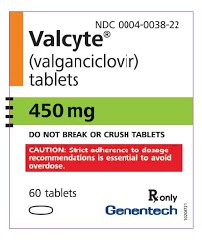
Valganciclovir (Valganciclovir) is an anti-cytomegalovirus (CMV) drug that is commonly used to prevent and treat CMV infections, especially in organ transplant or immunocompromised patients. Although its efficacy is significant, a variety of adverse reactions may occur during use, such as hematological abnormalities, gastrointestinal reactions, liver and kidney damage, etc. Scientific management and mitigation of these adverse reactions are crucial to ensure efficacy and improve patients' quality of life.
Management of hematological adverse reactions
One of the common adverse reactions of Vancevir is hematological abnormalities, including neutropenia, thrombocytopenia, and anemia. This type of reaction is particularly likely to occur in patients with long-term or high-dose use. Scientific mitigation methods include: conducting a comprehensive blood routine assessment before medication, clarifying the patient's basic blood indicators, and regularly monitoring the blood routine during medication, such as weekly or biweekly review. For mild to moderate cytopenias, it can be relieved by adjusting the dose, extending the medication interval, or temporarily stopping the medication; for patients with severe cytopenias, drugs that stimulate bone marrow production (such as recombinant human granulocyte stimulating factor) can be used in combination when necessary, and blood transfusion support measures should be taken under the guidance of a doctor.
gastrointestinal reaction relief
Oral administration of Vancevi may cause gastrointestinal discomfort such as nausea, vomiting, diarrhea, loss of appetite or abdominal pain. Mitigation methods include taking the medication after meals to reduce gastric mucosal irritation and try to keep the medication in full contact with food. For patients with severe nausea or vomiting, anti-nausea medications such as ondansetron or metoclopramide can be used under the guidance of a doctor. In addition, maintaining adequate fluid intake and a balanced diet can help reduce dehydration and gastrointestinal discomfort while supporting recovery.
Liver and kidney function monitoring and protection
The metabolism and excretion of Vancevir are closely related to liver and kidney function. Patients with abnormal renal function are prone to increase blood concentration of the drug, increasing the risk of toxicity. Therefore, serum creatinine, glomerular filtration rate (eGFR) and liver function indicators (ALT, AST, bilirubin) need to be assessed before medication, and reviewed regularly during medication. For patients with mild to moderate renal impairment, the dose can be adjusted according to renal function; patients with severe impairment need to use medication with caution or choose an alternative under the guidance of a doctor. In addition, avoiding the concomitant use of nephrotoxic drugs, such as certain aminoglycoside antibiotics and nonsteroidal anti-inflammatory drugs, can further protect renal function.
Lifestyle and Medication Management
During the period of taking Vancevir, patients should follow the doctor's guidance for individualized management, including taking the medicine strictly according to the dosage and avoiding missing doses or increasing the dosage at will. Good living habits, such as adequate sleep, moderate exercise, and avoiding exposure to infections, can enhance the body's immune function and reduce the risk of drug-related complications. At the same time, patients should maintain close communication with their doctors and promptly report discomfort symptoms, such as abnormal bleeding, persistent high fever, jaundice or obvious fatigue, so that treatment plans can be adjusted in a timely manner.
Psychology and long-term management
Patients taking long-term treatment with Vancevir may face challenges from psychological stress and reduced quality of life. Scientifically mitigating adverse reactions involves not only physiological management, but also psychological counseling and patient education. Doctors can explain possible adverse reactions and coping strategies to patients to help them establish reasonable expectations and self-monitoring awareness. Regular follow-up and psychological support can help patients adhere to medication as prescribed by the doctor and maximize the curative effect.
In summary, scientifically reducing the adverse reactions of Vancevir requires multi-faceted collaborative management, including hematological monitoring and intervention, gastrointestinal symptom relief, liver and kidney function protection, lifestyle adjustment and psychological support. Through standardized medication, regular review and individualized intervention, most patients can complete the course of treatment safely and effectively, while minimizing the impact of adverse reactions on quality of life and achieving treatment goals.
Reference materials:https://www.drugs.com/
[ 免责声明 ] 本页面内容来自公开渠道(如FDA官网、Drugs官网、原研药厂官网等),仅供持有医疗专业资质的人员用于医学药学研究参考,不构成任何治疗建议或药品推荐。所涉药品可能未在中国大陆获批上市,不适用于中国境内销售和使用。如需治疗,请咨询正规医疗机构。本站不提供药品销售或代购服务。


