
.jpeg)
Comparative analysis of the efficacy of Brivaracetam and levetiracetam
Brivaracetam (Brivaracetam) and levetiracetam (Levetiracetam) are both synaptic vesicle protein 2A (SV2A)-targeting drugs widely used in modern anti-epilepsy treatment and are used for the adjuvant treatment of adult focal epilepsy. Although the two drugs have similar targets, they have certain differences in molecular structure, binding affinity, pharmacokinetics and clinical application, resulting in different characteristics in terms of efficacy, tolerability and personalized medication strategies. Drug instructions, clinical guidelines and comparative results of multi-center clinical studies provide a reference for understanding the differences between the two.
From a pharmacological perspective, both Brivaracetam and Levetiracetam regulate the release of neuronal vesicles through highly selective bindingSV2A protein, reducing the spread of abnormal electrical activity. However, the binding affinity of brivaracetam to SV2A is significantly higher than that of levetiracetam, which improves its anti-epileptic activity to a certain extent and allows the drug to effectively inhibit abnormal neuronal discharge at low doses. Studies have shown that brivaracetam enters the central nervous system quickly and has a short onset of action, so it may have advantages in quickly controlling the frequency and intensity of epileptic seizures. This pharmacological difference also provides clinicians with flexibility when selecting antiepileptic drugs. For example, brivaracetam can be used as an alternative or as an add-on drug when patients have insufficient tolerance or unsatisfactory efficacy to levetiracetam.
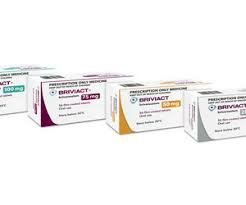
In terms of clinical efficacy, multi-center comparative studies have shown that brivaracetam and levetiracetam are generally equivalent in controlling overall seizure frequency, but brivaracetam shows a faster onset of action and a lower recurrence rate in certain subgroups of patients. Most of these patients are those with drug-refractory focal epilepsy or those who require multiple combination medications. At the same time, Brivaracetam has relatively mild effects on cognitive function and mood, which is beneficial to improving patients' quality of life during long-term treatment. As an older generation SV2A inhibitor, levetiracetam has wide clinical applications, stable efficacy, relatively affordable price, and rich data accumulation on long-term safety. Therefore, it is still the first choice auxiliary drug for most patients with newly diagnosed focal epilepsy.
In terms of tolerability, both are oral small molecule drugs. Common side effects include mild drowsiness, dizziness, nausea, etc. However, the overall incidence of adverse reactions of brivaracetam is slightly lower, especially the adverse reactions in the central nervous system are milder. The literature indicates that brivaracetam may be slightly less likely than levetiracetam to cause mood- or behavior-related side effects, which has positive implications for long-term compliance in children, adolescents, or elderly patients.
From the perspective of medication convenience, brivaracetam can be taken orally once or twice a day, and the dose can be adjusted flexibly, while levetiracetam is usually taken orally twice a day, and the dose is also adjustable, but attention should be paid to renal function adjustment. For individualized treatment options, brivaracetam has a rapid onset of action and good tolerance, and is more concerned by clinicians in patients who need rapid seizure control or combined multi-drug therapy.
In general, brivaracetam and levetiracetam are roughly equivalent in anti-epileptic efficacy, but brivaracetam has the characteristics of rapid onset of action, high binding capacity and mild side effects, making it suitable for specific groups of people or patients who have poor tolerance to levetiracetam. Levetiracetam is still the drug of choice for most patients due to its long-term clinical data accumulation and economic accessibility.
Reference materials:https://www.briviact.com/
[ 免责声明 ] 本页面内容来自公开渠道(如FDA官网、Drugs官网、原研药厂官网等),仅供持有医疗专业资质的人员用于医学药学研究参考,不构成任何治疗建议或药品推荐。所涉药品可能未在中国大陆获批上市,不适用于中国境内销售和使用。如需治疗,请咨询正规医疗机构。本站不提供药品销售或代购服务。


