
.jpeg)
Pegcetacoplan-Empaveli Contraindications and Related Health Instructions
Pegcetacoplan (Pegcetacoplan) is a new type of C3 complement inhibitor, mainly used for adults with paroxysmal nocturnal hemoglobinuria (PNH) and patients 12 years and older with C3 glomerulopathy (C3G) or primary immune complex membranoproliferative glomerulonephritis (IC-MPGN). The drug inhibits abnormal complement activation by targeting complement C3, thereby reducing intravascular hemolysis, reducing proteinuria and improving related organ damage. However, PegTak is not suitable for all patients, and clear contraindications and health guidance are essential for safe use.
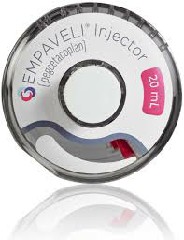
According to overseas drug instructions and clinical practice, Pegtak is contraindicated in patients who are allergic to this drug or any excipients. Such patients may experience acute allergic reactions after using drugs, including rashes, respiratory symptoms and even anaphylactic shock. Therefore, it is necessary to understand the allergic history in detail before treatment and ensure that emergency treatment measures are in place. In addition, PegTak is also contraindicated in patients with serious unresolved infections caused by enveloped bacteria, including Streptococcus pneumoniae, Neisseria meningitidis, and Haemophilus influenzae type B. Because the drug weakens the body's defense against these pathogens by inhibiting C3 complement activity, use during active infection may lead to exacerbation or serious complications such as sepsis.
In terms of health guidance, patients should pay attention to monitoring body temperature, hemoglobin changes, urine color and infection-related symptoms, such as sore throat, fever or skin abnormalities while using Pegtak. The first dose or dosage adjustment should be observed in a medical institution, and self-injection skills and early infection identification methods should be mastered. Regular hematological monitoring and renal function assessment are crucial to evaluate efficacy and adjust dosage. PNH patients need to pay attention to hemolysis indicators and hemoglobin levels, while C3G/IC-MPGN patients need to monitor changes in proteinuria and renal function.
Reference materials:https://empaveli.com/
[ 免责声明 ] 本页面内容来自公开渠道(如FDA官网、Drugs官网、原研药厂官网等),仅供持有医疗专业资质的人员用于医学药学研究参考,不构成任何治疗建议或药品推荐。所涉药品可能未在中国大陆获批上市,不适用于中国境内销售和使用。如需治疗,请咨询正规医疗机构。本站不提供药品销售或代购服务。


