
.jpeg)
How long does a typical treatment course of Valganciclovir last for kidney transplant patients?
Valganciclovir (Valganciclovir) is an oral antiviral drug mainly used for the prevention and treatment of cytomegalovirus (CMV) in kidney transplant patients. After kidney transplantation, patients are prone to CMV infection due to the use of immunosuppressants. Therefore, rational use of Vancevir can significantly reduce the incidence of CMV-related diseases and the risk of complications. In clinical practice, the treatment length of Vancevir needs to be individually adjusted based on the patient's infection risk, immune status and viral load to achieve the best preventive and therapeutic effects.
In high-risk kidney transplant patients (eg, donorCMVpositive, recipientCMVnegative, D+/R−), a prophylactic oral dosing strategy is often used. Clinical guidelines suggest that medication generally lasts from 3 to 6 months after surgery, which can effectively reduce the incidence of CMV infection and disease. During the course of treatment, patients need to regularly monitor blood CMV DNA levels and blood routine indicators in order to detect virus replication in a timely manner and evaluate drug efficacy. For some high-risk or highly immunosuppressed patients, doctors may extend treatment to more than 6 months to maintain the preventive effect.
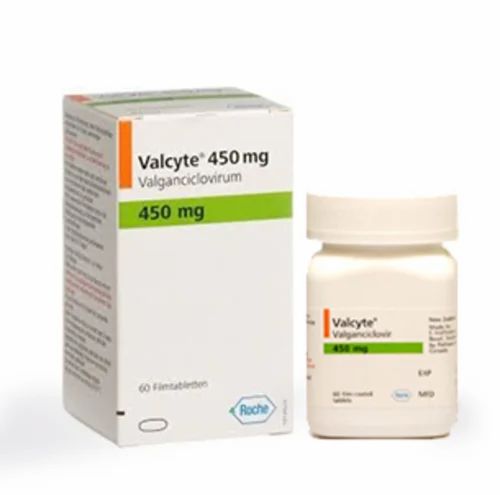
For patients who have already developed CMV infection or mild CMV disease, Vancevi uses a therapeutic course of treatment. Generally, medication is continued based on the decrease in viral load until the blood CMV DNA test is negative for two consecutive times and the patient's symptoms are significantly improved. The treatment course usually lasts from 2 to 3 weeks or longer. The specific length depends on the speed of viral clearance and patient tolerance. During treatment, blood routine, liver and kidney function, and possible side effects, such as bone marrow suppression and renal function abnormalities, need to be closely monitored.
In general, the treatment course of Vancevir for kidney transplant patients is individualized. Preventive medication generally lasts from 3 to 6 months, and therapeutic medication is adjusted based on virus clearance. Monitor regularlyCMV DNA throughout the course of treatment, blood routine, liver and kidney function, and joint management with immunosuppressants are key measures to ensure efficacy, safety, and long-term transplant success. Patients should strictly follow the doctor's instructions and avoid adjusting the dosage or stopping the medication early to reduce the risk of CMV recurrence and related complications.
Reference materials:https://www.cancer.gov/about-cancer
[ 免责声明 ] 本页面内容来自公开渠道(如FDA官网、Drugs官网、原研药厂官网等),仅供持有医疗专业资质的人员用于医学药学研究参考,不构成任何治疗建议或药品推荐。所涉药品可能未在中国大陆获批上市,不适用于中国境内销售和使用。如需治疗,请咨询正规医疗机构。本站不提供药品销售或代购服务。


