
.jpeg)
Effects of Osimertinib (Tagrisso) on Liver Function and Evaluation of Side Effects
Osimertinib (Osimertinib) is a third-generation epidermal growth factor receptor (EGFR) tyrosine kinase inhibitor (TKI), mainly used for treatmentEGFR pan>EGFR mutation-positive non-small cell lung cancer (NSCLC), especially for patients with T790M drug-resistant mutations. As a targeted therapy drug, osimertinib has clear advantages in prolonging patients' progression-free survival and improving quality of life. However, during use, attention should also be paid to its impact on liver function and related side effects. Scientific assessment and management of these side effects can help ensure efficacy while reducing potential risks.
First of all, osimertinib may have certain toxic effects on the liver. Clinical data show that some patients experience elevated liver enzymes during the use of osimertinib, including increases in alanine aminotransferase (ALT), aspartate aminotransferase (AST) and total bilirubin. These liver function abnormalities are usually mild to moderate, and in most cases patients are asymptomatic, but in some individuals they can progress to severe liver damage. The incidence of abnormal liver function is closely related to the dose, duration of medication, and the patient's basic liver function. Especially patients with previous hepatitis or liver dysfunction should be more cautious.
In terms of side effect evaluation, the most common adverse reactions of osimertinib include rash, diarrhea, dry eyes, decreased appetite, fatigue and mild hematological abnormalities. Although side effects related to liver function are not as common as the above symptoms, once significant liver enzyme elevation or jaundice occurs, it may affect drug metabolism and efficacy. Therefore, in clinical use, doctors usually recommend that patients regularly monitor liver function, including ALT, AST, total bilirubin and alkaline phosphatase, before and during treatment, so that abnormalities can be detected early and intervention measures can be taken.
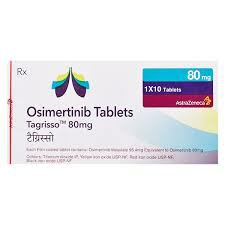
For patients with abnormal liver function, appropriate treatment should be taken according to the severity. For mild liver enzyme elevations, the current dose can be maintained while closely monitoring liver function; for moderate or persistent elevations, it may be necessary to temporarily discontinue the drug or reduce the dose, and investigate other potential liver injury factors, such as concomitant use of other hepatotoxic drugs, alcohol consumption, or viral hepatitis. Patients with severe hepatic impairment should discontinue osimertinib treatment and evaluate whether to restart or replace other treatment options after recovery of liver function. For patients on long-term medication, regular follow-up and blood testing are key to ensuring safety.
In addition, the hepatic metabolism of osimertinib is mainly completed through the CYP3A enzyme system. Therefore, when CYP3A inhibitors or inducers are used in combination, the drug blood concentration and liver load may also be affected. Clinically, interactions with known hepatotoxic drugs or strong CYP3AInhibitors are used concomitantly to reduce the risk of abnormal liver function. At the same time, patients should pay attention to a reasonable diet and avoid excessive drinking and hepatotoxic substances in daily life, so as to reduce drug-related liver burden.
Overall, osimertinib is effective in the treatment of EGFR mutation-positiveNSCLC, but its potential impact on liver function still needs to be paid attention to. With regular monitoring of liver function, individualized dosage adjustments, and attention to drug interactions, most patients are able to safely complete the course of treatment and obtain therapeutic benefits. Early identification and timely intervention of abnormal liver function are important measures to ensure the efficacy, safety and quality of life of osimertinib.
Reference materials:https://www.ema.europa.eu/en/homepage[ 免责声明 ] 本页面内容来自公开渠道(如FDA官网、Drugs官网、原研药厂官网等),仅供持有医疗专业资质的人员用于医学药学研究参考,不构成任何治疗建议或药品推荐。所涉药品可能未在中国大陆获批上市,不适用于中国境内销售和使用。如需治疗,请咨询正规医疗机构。本站不提供药品销售或代购服务。


