
.jpeg)
Analysis of the main efficacy, side effects and clinical use guidelines of Crizotinib (Xalkori)
Crizotinib is an oral small molecule tyrosine kinase inhibitor that mainly targets the abnormal activities of anaplastic lymphoma kinase (ALK), ROS1 and some MET receptors. It is initially used to treat ALKpositive non-small cell lung cancer (NSCLC), especially in patients with advanced or metastatic disease. Crizotinib significantly delays disease progression by inhibiting abnormal kinase signaling pathways in tumor cells, blocking cell proliferation and inducing apoptosis. With the deepening of clinical research, it also shows good efficacy in ROS1-positive NSCLC patients, providing a wider range of indications for targeted therapy.
In clinical use, crizotinib has shown clear anti-tumor effects. For ALKpositiveNSCLC patients, III phase clinical trial results show that crizotinib can significantly prolong progression-free survival (PFS< span>), the median PFS is about 10 more than 10 months, and the overall response rate (ORR) can reach about 60%. ROS1After using crizotinib in ROS1positive patients, ORR can reach more than 70%, accompanied by symptom improvement, such as cough relief and respiratory function improvement. The oral administration form enables high patient compliance and long-term maintenance of treatment, and the efficacy can be evaluated in combination with imaging and clinical indicators.
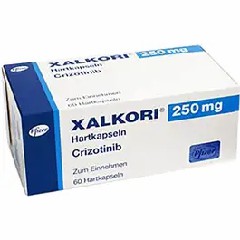
However, crizotinib is also associated with certain adverse reactions during use, which requires close attention. Common side effects include nausea, vomiting, diarrhea, blurred vision and edema. Some patients may experience elevated liver enzymes, prolonged QT interval or irregular heartbeat, and require regular monitoring of liver function, electrocardiogram and blood routine. In addition, rare but serious side effects such as interstitial pulmonary disease and serious cardiovascular events also require vigilance. If related symptoms occur, seek medical attention immediately. Clinically, most adverse events can be effectively controlled through dose adjustment or temporary discontinuation of medication and improve patient tolerance.
The guidelines for the use of crizotinib emphasize precise targeting and individualized management. Genetic testing should be performed to confirm ALK or ROS1 before use.positive status to ensure patients can benefit. The standard dose is 250 mg orally twice daily, which can be adjusted according to patient tolerance and side effects. During treatment, imaging, routine blood tests, liver and kidney function must be reviewed regularly, and changes in symptoms must be paid attention to. For patients taking other drugs in combination, potential drug interactions need to be evaluated. For example, coadministration with strong CYP3A4 inhibitors or inducers may affect blood drug concentrations, so the dosage may be adjusted or the medication regimen changed.
Taken together, crizotinib has significant efficacy advantages in ALK and ROS1positive NSCLC patients, and can prolong progression-free survival and improve quality of life. Its oral administration method facilitates long-term maintenance treatment, but side effects require close monitoring and individualized dose management. Through precise targeting, standardized follow-up and supportive treatment, crizotinib not only provides an efficient treatment option for patients with advanced lung cancer, but also provides practical experience and reference for clinical targeted therapy. For patients, rational use of medications, regular review and close communication with doctors are the keys to ensuring efficacy and safety.
Reference materials:https://www.fda.gov/
[ 免责声明 ] 本页面内容来自公开渠道(如FDA官网、Drugs官网、原研药厂官网等),仅供持有医疗专业资质的人员用于医学药学研究参考,不构成任何治疗建议或药品推荐。所涉药品可能未在中国大陆获批上市,不适用于中国境内销售和使用。如需治疗,请咨询正规医疗机构。本站不提供药品销售或代购服务。


