
.jpeg)
Evaluation of the clinical efficacy and blood pressure control effect of the new antihypertensive drug aprocitentan
Aprocitentan (aprocitentan) is a new oral endothelin receptor antagonist (ERA), which works by dual inhibition of endothelin receptor A
In clinical studies, aprecitentan has shown significant antihypertensive effects. Randomized controlled trials in patients with refractory hypertension have shown that when aprecitentan is used in combination with standard antihypertensive treatment, the patient's systolic blood pressure decreases by an average of 10~20 mmHg, and some patients even exceed 20 mmHg, and diastolic blood pressure also decreases significantly. The therapeutic effect usually begins to appear 2~4 weeks after treatment, and reaches a steady state at 8~12 weeks. Compared with traditional antihypertensive drugs alone, the blood pressure compliance rate of patients treated with aprecitentan was significantly improved. This has important clinical significance for high-risk patients with long-term difficulty in controlling blood pressure and repeated elevations.
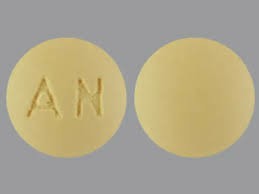
In addition to directly lowering blood pressure, aprecitentan also has certain effects on target organ protection and cardiovascular risk improvement. Studies have shown that the drug can improve arterial compliance, reduce left ventricular load, reduce left ventricular hypertrophy, and protect renal function to a certain extent. This is particularly important for patients with diabetes, chronic kidney disease, or high cardiovascular risk factors. By improving vascular structure and function, aprecitentan not only lowers blood pressure but may also delay the progression of target organ damage, thereby improving overall cardiovascular outcomes for patients. This has great clinical value in the long-term management of patients with hypertension, especially those with multiple target organ involvement or long-term blood pressure that is difficult to control.
In terms of safety, aprecitentan is generally well tolerated, but some adverse reactions still need to be paid attention to. The most common adverse events are lower limb edema, slight weight gain, headache and fatigue caused by water and sodium retention. Most of them are mild to moderate and can be controlled by dose adjustment or combination with diuretics. A small number of patients may develop abnormal liver function, so liver enzyme levels should be monitored regularly before use and during treatment. At the same time, for patients taking concomitant diuretics or strong antihypertensive drugs, as well as patients with renal insufficiency or elderly patients, the risk of water and sodium retention needs to be carefully assessed and individualized adjustments made. In clinical practice, the efficacy and safety can be effectively guaranteed through reasonable dose selection, regular monitoring and lifestyle intervention, such as low-salt diet and moderate exercise.
In summary, aprecitentan shows significant antihypertensive effects and multiple cardiovascular protective effects in patients with hypertension, especially refractory hypertension. Its unique dual endothelin receptor antagonism mechanism gives it a clear advantage in patients for whom conventional antihypertensive drugs are ineffective. Through standardized use, individualized dose adjustment and regular follow-up, aprecitentan can effectively control adverse reactions while ensuring efficacy, providing a safe, efficient and long-term feasible treatment plan for clinical hypertension management. For high-risk patients or groups whose blood pressure is difficult to control for a long time, the introduction of aprecitentan is expected to improve the blood pressure compliance rate and cardiovascular outcomes, providing a new option for comprehensive management of hypertension.
Reference materials:https://www.drugs.com/
[ 免责声明 ] 本页面内容来自公开渠道(如FDA官网、Drugs官网、原研药厂官网等),仅供持有医疗专业资质的人员用于医学药学研究参考,不构成任何治疗建议或药品推荐。所涉药品可能未在中国大陆获批上市,不适用于中国境内销售和使用。如需治疗,请咨询正规医疗机构。本站不提供药品销售或代购服务。


