
.jpeg)
How effective is Bedaquiline in treating tuberculosis?
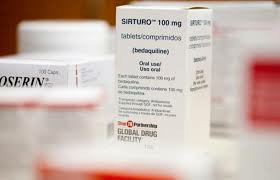
Bedaquiline tablets (Bedaquiline), as a new type of anti-tuberculosis drug, have been widely used to treat pulmonary tuberculosis, especially multidrug-resistant tuberculosis (MDR-TB). The following will introduce in detail the effect of bedaquiline tablets in the treatment of tuberculosis based on clinical experimental data.
1.Clinical trial data:
In the clinical trial of bedaquiline tablets, researchers conducted a multi-center, randomized, double-blind, placebo-controlled study at multiple research centers to evaluate its efficacy and safety in patients with multidrug-resistant tuberculosis. Here are the key results from some clinical trials:
a. US Clinical Trial: A US clinical trial included440 patients with multidrug-resistant tuberculosis. Research results show that adding bedaquiline tablets to standard treatment regimens can significantly improve treatment success rates. In the bedaquiline group, the treatment success rate was 79%, while in the control group, the treatment success rate was 58%.
b. STREAMtrial: STREAMtrial is an international multi-center trial involving observation sites in 9 countries. The trial investigated the effectiveness and safety of bedaquiline tablets in the treatment of multidrug-resistant tuberculosis. The results showed that in the treatment group with the addition of bedaquiline tablets, the treatment success rate was 79%, while that in the control group was 71%.
c. NIX-TBTrial:NIX-TBTrial is a non-inferiority trial comparing the efficacy of bedaquiline tablets with standard treatment regimens. The results showed that the treatment success rate of the bedaquiline tablets group was 79%, while the treatment success rate of the standard treatment group was 68%.
The results of these clinical trials indicate that bedaquiline tablets, as part of the treatment of multidrug-resistant tuberculosis, can significantly improve the success rate of treatment and have a positive impact on patient outcomes.
2.Effectiveness advantages:
Bedaquiline tablets have the following therapeutic advantages in the treatment of pulmonary tuberculosis:
a. Improve treatment success rate: Multidrug-resistant tuberculosis usually has a low treatment success rate, and the addition of bedaquiline tablets can significantly improve the treatment success rate. Clinical trial data show that the treatment success rate of patients using bedaquiline tablets is significantly higher than that of the standard treatment group.
b. Reducing relapse: The use of bedaquiline tablets can reduce the risk of relapse after curing multidrug-resistant tuberculosis. It has a bactericidal effect and helps reduce the survival of drug-resistant strains, thereby reducing the chance of recurrence.
c. Shorten treatment time: Traditional multidrug-resistant tuberculosis treatment usually requires long-term drug treatment, and the use of bedaquiline tablets can shorten the treatment time. This is an important benefit for patients, reducing dependence on medications and the burden of treatment.
d. Reduce the risk of transmission: The use of bedaquiline tablets can help reduce the risk of transmission of tuberculosis bacteria. By reducing the number and load of drug-resistant strains, bedaquiline tablets can help control the spread of disease and reduce public health risks.
3.Security:
The use of bedaquiline tablets is generally relatively safe, but some side effects may occur. According to clinical trial data, common side effects include nausea, vomiting, diarrhea, headache, fatigue, etc. However, serious side effects such as heart problems, liver damage, vision problems and psychiatric symptoms are relatively rare.
During the period of using bedaquiline tablets, patients need to receive regular monitoring and follow-up to ensure the safety and effectiveness of the treatment. Doctors will evaluate the patient's condition and drug response and adjust the dosage or combination of medications to minimize the risk of side effects.
In summary, bedaquiline tablets, as a drug for the treatment of pulmonary tuberculosis, have shown good efficacy in patients with multidrug-resistant tuberculosis. Clinical trial data show that the use of bedaquiline tablets can significantly improve treatment success rate, reduce recurrence, shorten treatment time and reduce the risk of transmission. Although the use of bedaquiline tablets is relatively safe, patients need to do so under the supervision of a doctor and follow relevant treatment plans and medication guidelines. When using bedaquiline tablets, patients should pay close attention to possible side effects and report them to their doctor in a timely manner. Doctors will make adjustments based on the patient's condition and drug response to ensure the safety and effectiveness of the treatment.
Bedaquiline tablets have been launched in China and have been included in Class B medical insurance. Patients can buy it domestically, but the price is very high. The price of 100mg*24tablets is around 15,000 yuan. For specific prices, please consult the local hospital pharmacy. There are only original drugs abroad, and the more cost-effective ones are Russian original drugs. The price of 100mg*188 tablets is also about 15,000 yuan. The specifications are about 8 times that of domestic ones. Relatively speaking, the price is still very cheap compared to domestic ones. And the ingredients of domestic and foreign original drugs are consistent.
[ 免责声明 ] 本页面内容来自公开渠道(如FDA官网、Drugs官网、原研药厂官网等),仅供持有医疗专业资质的人员用于医学药学研究参考,不构成任何治疗建议或药品推荐。所涉药品可能未在中国大陆获批上市,不适用于中国境内销售和使用。如需治疗,请咨询正规医疗机构。本站不提供药品销售或代购服务。


