
.jpeg)
What is the difference between Brigatinib and Osimertinib? Which one works better?
Brigatinib/Brigatinib (Brigatinib) and Osimertinib (Osim Ertinib) are both oral anti-tumor drugs used for the treatment of non-small cell lung cancer (NSCLC), but they have some differences in drug characteristics, clinical efficacy and indications. The following is a detailed comparison of Brigatinib/Brigatinib and Osimertinib:
1.Drug characteristics:
Brigatinib/Brigatinib: Brigatinib/Brigatinib is a multi-target tyrosine kinase inhibitor (TKI), in addition to inhibiting E In addition to GFR (epidermal growth factor receptor), it can also inhibit ALK (xenogeneic lymphoma kinase), ROS1, FLT3 and VEGFR and other kinases. Brigatinib/Brigatinib has a broad targeting effect, can penetrate the blood-brain barrier, and also has a certain inhibitory effect on brain metastases.
Osimertinib: Osimertinib is a third-generation EGFRtyrosine kinase inhibitor (TKI), mainly used to treat EGFR mutation-positive NSCLC patients. It inhibits the growth and spread of tumor cells by inhibiting the activity of EGFR mutants and blocking the activation of abnormal signaling pathways. Unlike other EGFR TKIs, osimertinib is highly selective for the common EGFR T790M resistance mutation.
2.Indications:
Brigatinib/Brigatinib:Brigatinib/Brigatinibis suitable for the treatment of ALK fusion-positive NSCLC, including first-line and second-line treatment. It can also be used in patients who have developed resistance to other ALK inhibitors.
Osimertinib: Osimertinib is suitable for the treatment of EGFR mutation-positive NSCLC patients, including first-line and second-line treatment. It is mainly used for patients with EGFR sensitive mutations (such as L858R and Del19), as well as for other EGFR Patients with TKIT790M resistance mutation.
3.Clinical efficacy:
Brigatinib/Brigatinib:Brigatinib/Brigatinibhas shown good efficacy in the treatment of ALK fusion-positive NSCLC patients. Clinical trial results show that Brigatinib/Brigatinib can prolong the progression-free survival (PFS) and overall survival (OS) of patients in both first-line and second-line treatments, and reduce the risk of tumor progression.
Osimertinib: Osimertinib also showed significant efficacy in EGFR mutation-positive NSCLC patients. The results of the clinical trial (FLAURA) showed that osimertinib significantly prolonged the progression-free survival and overall survival of patients in first-line treatment, compared with other first- and second-generation EGFR TKIs.
4.Resistance mechanism:
Brigatinib/Brigatinib: For some common ALK resistance mutations, such as ALK Mutations such as G1202R and L1196M have relatively low inhibitory effects. However, for some ALK resistance mutations, such as the T790M mutation of ALK, brigatinib still shows certain anti-tumor effects.
Osimertinib: Osimertinib shows high selectivity against common EGFR resistance mutations, especially the T790M mutation. It can effectively inhibit the mutant activity of EGFR and can play an anti-tumor effect even in the presence of T790M drug-resistant mutation.
The specific answer to the question of which drug is more effective depends on the patient's individual situation, resistance mechanisms and doctor's recommendations. There is no clear evidence that one drug performs better in all patients. The choice of treatment regimen should be determined based on patient characteristics, analysis of resistance mechanisms, and recommendations from clinical guidelines.
During the decision-making process, it is recommended that patients conduct full discussions and evaluations with their doctors, and comprehensively consider the drug's efficacy, resistance mechanism, side effects and individual patient characteristics to formulate an individualized treatment plan that is most suitable for the patient. Close patient monitoring and collaboration with physicians is important to adjust treatment and address potential problems.
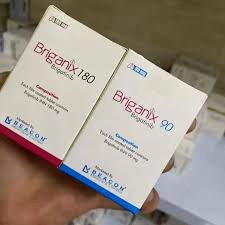
Brigatinib/Brigatinib has been launched in China and has been included in medical insurance. Since it has just been approved for marketing, patients may not be able to buy it in domestic pharmacies. If you need to purchase it in China, please consult the local pharmacy. However, the price is quite high, more than 10,000 yuan. Foreign Brigatinib/Brigatinib are mainly generic drugs, mainly from Bangladesh and Laos. The price of the international version of the Bangladeshi generic drug Yaopin is about 2000around 600, and the specifications are 90mg*30 tablets; the price of the Laos version of generic drugs is about 600, and the specifications are smaller. And the ingredients of domestic original drugs and foreign generic drugs are basically the same.
Osimertinib has been launched in China and has been included in the scope of medical insurance, so patients can purchase it at domestic pharmacies. The price is generally around 4000~6000 yuan. Due to different medical insurance policies in different places, the price is also different. Please consult the local pharmacy or medical insurance bureau for details. There are original drugs and generic drugs abroad. The original drugs can be purchased domestically because they are already on the market in China. Foreign generic drugs of Osimertinib are much cheaper than domestic ones. Foreign generic drugs are mainly Laos generic drugs and Bangladeshi generic drugs. Generic drugs are basically around 850 yuan, and the price is still very cheap. And the ingredients of generic drugs are basically the same as those of domestic original drugs.
[ 免责声明 ] 本页面内容来自公开渠道(如FDA官网、Drugs官网、原研药厂官网等),仅供持有医疗专业资质的人员用于医学药学研究参考,不构成任何治疗建议或药品推荐。所涉药品可能未在中国大陆获批上市,不适用于中国境内销售和使用。如需治疗,请咨询正规医疗机构。本站不提供药品销售或代购服务。


