
.jpeg)
How effective is cabozantinib in treating liver cancer?
Cabozantinib (Cabozantinib) has shown significant efficacy in the treatment of hepatocellular carcinoma (HCC). Liver cancer is one of the most common cancers worldwide and one of the leading causes of cancer-related deaths. However, traditional treatments have limited efficacy for patients with advanced or metastatic liver cancer, so there is an urgent need to find more effective treatments. The following will discuss in detail the efficacy of cabozantinib in the treatment of liver cancer based on clinical trial data.
1. Clinical trials and evidence: The clinical efficacy of cabozantinib in the treatment of liver cancer is mainly supported by two important clinical trials: the CELESTIAL and REFLECT trials.
2. CELESTIALTrial:The CELESTIAL trial is a randomized, double-blind, placebo-controlled clinical trial designed to evaluate the efficacy of cabozantinib in patients with liver cancer recurrence or progression who have previously been treated with sorafenib. The trial included patients from multiple sites around the world.
Results: Results from the CELESTIAL trial showed that overall survival and progression-free survival were significantly longer in patients treated with cabozantinib compared with placebo. The patient's survival improved to 5.2 months, and the progression-free survival improved to 2.2 months. In addition, the disease control rate in the cabozantinib group was also significantly higher than that in the placebo group.
3. REFLECTTrial:REFLECTTrial is a randomized, open-label, sorafenib-controlled clinical trial designed to evaluate the efficacy of cabozantinib as first-line treatment in patients with liver cancer who have not received systemic treatment. The trial also included patients from multiple research centers around the world.
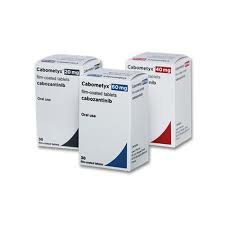
Results:Results from the REFLECT trial showed that in first-line treatment, overall survival and progression-free survival were significantly longer with cabozantinib compared with sorafenib. Overall survival improved to 2.2 months in the cabozantinib arm, and progression-free survival improved to 2.1months. In addition, the disease control rate in the cabozantinib group was also higher than that in the sorafenib group.
4. Application in clinical practice: Cabozantinib, as a targeted drug for the treatment of liver cancer, has been approved by drug regulatory agencies in many countries, including the U.S. FDA and the European EMA. According to clinical practice and guideline recommendations, cabozantinib has become one of the important options for the treatment of liver cancer.
5. Side effects and safety: Although cabozantinib has shown significant efficacy in the treatment of liver cancer, it may also cause a series of side effects and adverse reactions. Common side effects include high blood pressure, diarrhea, fatigue, hand-foot syndrome, etc. These side effects are usually manageable and can be tailored and managed by the doctor based on the patient's specific condition and tolerance.
Based on clinical experimental data fromCELESTIAL and REFLECT trials, cabozantinib, as a multi-target tyrosine kinase inhibitor, has shown significant efficacy in the treatment of hepatocellular carcinoma. It can prolong the overall survival and progression-free survival of patients, improve the disease control rate, and is widely used in the treatment of liver cancer patients. However, each patient's condition and treatment response may be different, so when using cabozantinib, doctors need to develop a personalized treatment plan based on the patient's specific situation and monitor the patient's efficacy and adverse reactions to ensure the safety and effectiveness of the treatment. At the same time, for patients with liver cancer, comprehensive treatment is still very important, including surgical resection, radiation therapy, transarterial embolization (TACE), targeted therapy, immunotherapy and other different treatment methods. In clinical practice, multiple treatment methods are usually combined according to the patient's condition and pathological type in order to obtain the best therapeutic effect.
Cabozantinib is not currently on the market in China, and therefore is not included in medical insurance. Therefore, patients cannot purchase it domestically and need to purchase it through overseas channels. There are original and generic drugs of cabozantinib abroad. The original drugs are mainly Japanese original drugs, Turkish original drugs and European version of original drugs. Foreign generic drugs are mainly Laos generic drugs and Bangladeshi generic drugs, with prices ranging from 1,300 to 2,700 yuan, and the ingredients of original drugs and generic drugs are basically the same.
[ 免责声明 ] 本页面内容来自公开渠道(如FDA官网、Drugs官网、原研药厂官网等),仅供持有医疗专业资质的人员用于医学药学研究参考,不构成任何治疗建议或药品推荐。所涉药品可能未在中国大陆获批上市,不适用于中国境内销售和使用。如需治疗,请咨询正规医疗机构。本站不提供药品销售或代购服务。


