
.jpeg)
How long does it take to become resistant to Cabozantinib?
Cabozantinib (Cabozantinib) is a targeted therapy drug, and its drug resistance is an important problem that needs to be faced during the treatment process. Drug resistance refers to the reduced sensitivity of tumor cells to drugs, resulting in poor therapeutic effect or loss of therapeutic effect. The occurrence of drug resistance is related to a variety of factors, including genetic variations in tumor cells, pathway variations in signaling pathways, and changes in the tumor microenvironment. The timing and extent of drug resistance may vary among patients treated with cabozantinib. The following will introduce in detail the occurrence time of cabozantinib resistance and possible influencing factors.
1.The time of occurrence of drug resistance: The time of occurrence of drug resistance during cabozantinib treatment varies between individuals and can usually be divided into two situations:
- Early resistance: Some patients may develop resistance to cabozantinib within a short period of time (months to a year).
- Late resistance: Other patients may develop resistance after long-term use of cabozantinib, which may occur over a year or longer.
2.Factors affecting cabozantinib resistance: The occurrence of cabozantinib resistance is a complex process involving the combined influence of multiple factors. The following are the main factors that may influence cabozantinib resistance:
- Genetic variation: Genetic variation in tumor cells may lead to mutations in drug targets, thereby reducing the binding ability of the drug and reducing the efficacy of the drug. In addition, variations in other signaling pathways within cells may also affect the effects of drugs.
- Tumor microenvironment: Changes in the tumor microenvironment may lead to tumor cell escape and resistance to drugs. Changes in the tumor microenvironment include increased angiogenesis, immune suppression, etc. These factors may affect the distribution and effect of drugs in tumor tissues.
- Treatment regimen: The dose and regimen of drug use may influence the development of drug resistance. Too high a dose may cause toxic side effects of the drug, while too low a dose may not effectively inhibit tumor growth.
- Heritability of drug resistance: Some patients may be born with drug resistance, and this hereditary resistance may lead to failure of drug treatment.
- Immune escape: Immune escape of tumor cells means that tumor cells evade the attack of the immune system by changing the expression of surface antigens or other mechanisms. In patients receiving cabozantinib during immunotherapy, immune escape may lead to the development of drug resistance.
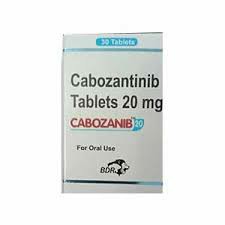
3. How to deal with cabozantinib resistance: Faced with the problem of cabozantinib resistance, doctors and patients can adopt the following strategies to deal with it:
- Determine the resistance mechanism: After a patient is found to be resistant to cabozantinib, in-depth research and analysis of the resistance mechanism is first required. A comprehensive understanding of the mechanisms of drug resistance can help guide subsequent treatment selection and intervention.
- Consider dose adjustment: For patients who develop early resistance, dose adjustment of cabozantinib may be considered. Sometimes, increasing the dose of a drug may restore sensitivity to the drug, but this requires the doctor to judge whether dose adjustment is appropriate based on the patient's specific situation and degree of resistance. At the same time, dosage adjustments need to be made under the guidance of a doctor to ensure safety and effectiveness.
- Combination therapy strategy: Combination therapy is a common approach to managing cabozantinib resistance. By combining cabozantinib with other targeted drugs, immunotherapy or chemotherapy drugs, synergy can be achieved, the anti-tumor effect can be enhanced, and the problem of single-drug resistance can be overcome. Combination therapy can also interfere with multiple signaling pathways at the same time, reducing the possibility of tumor cell escape.
- Choose the appropriate next-line treatment: When patients develop resistance to cabozantinib, they need to find the appropriate next-line treatment. Depending on the patient's condition and disease characteristics, other targeted drugs, immunotherapy or chemotherapy drugs can be selected as the next line of treatment. When selecting the next first-line treatment, factors such as patient efficacy, tolerability, and possible side effects need to be comprehensively considered.
- Clinical trials and new drug development: For patients who are resistant to cabozantinib, they can consider participating in clinical trials, especially new drug trials targeting drug resistance. Clinical trials are an important means of evaluating the safety and efficacy of new drugs. By participating in clinical trials, patients have the opportunity to obtain the latest treatment options.
- Improving treatment strategies: In addition to drug treatment, improving treatment strategies is also the key to dealing with cabozantinib resistance. Comprehensive treatment is an important concept in tumor treatment, including surgical resection, radiotherapy, chemotherapy, immunotherapy and other different treatment methods. For patients with advanced or metastatic tumors, combination therapy may be the best option.
- Improve patients' treatment compliance: Treatment compliance means that patients use drugs correctly and complete the entire treatment process according to the doctor's recommendations. Improving patients' treatment compliance can help enhance treatment effects and reduce the occurrence of drug resistance. Effective communication between doctors and patients is an important means to improve treatment compliance.
In general, dealing with cabozantinib resistance is a comprehensive process that requires doctors and patients to work together to develop a personalized treatment plan based on the patient's condition and tolerance. At the same time, we continue to promote new drug research and development and clinical trials, and actively explore new treatment strategies, which are expected to bring new breakthroughs in the treatment of cabozantinib resistance. Treatment resistance is a common challenge in clinical treatment. Through continuous research and exploration, we can move towards more effective treatments and provide patients with better treatment effects and quality of life.
Cabozantinib is not yet available in China and is not included in medical insurance, so it needs to be purchased through overseas channels. There are original drugs abroad, which cost around 35,000~46,000 yuan. Foreign generic drugs are mainly Lao generic drugs and Bangladeshi generic drugs, with prices ranging from 1,300 to 2,700 yuan. The price is much cheaper than original drugs and is more suitable for the needs of patients in ordinary families. The ingredients of original drugs and generic drugs are basically the same.
[ 免责声明 ] 本页面内容来自公开渠道(如FDA官网、Drugs官网、原研药厂官网等),仅供持有医疗专业资质的人员用于医学药学研究参考,不构成任何治疗建议或药品推荐。所涉药品可能未在中国大陆获批上市,不适用于中国境内销售和使用。如需治疗,请咨询正规医疗机构。本站不提供药品销售或代购服务。


