
.jpeg)
What are the precautions for taking sirolimus?
During treatment with sirolimus (sirolimus), patients should pay attention to the susceptibility to infection and the occurrence of lymphoma development, allergic reactions, angioedema, fluid accumulation and wound healing impairment, hyperlipidemia, decreased renal function, viral infections, interstitial lung disease/non-infectious pneumonia, skin cancer and other adverse events.
1. Increased susceptibility to infections and possible development of lymphoma: Excessive suppression of the immune system can also increase susceptibility to infections, including opportunistic infections such as tuberculosis, fatal infections, and sepsis. Only physicians experienced in immunosuppressive therapy and management of organ transplant patients should use sirolimus to prevent organ rejection in kidney transplant patients.
2. Liver transplantation—excess mortality, graft loss, and hepatic artery thrombosis: The safety and effectiveness of sirolimus as immunosuppressive therapy in liver transplant patients have not been established and its use is not recommended.
3. Lung Transplantation - Bronchial anastomotic dehiscence: The most fatal cases of bronchial anastomotic dehiscence have been in re-pulmonary transplant patients when sirolimus was used as part of an immunosuppressive regimen and is therefore not recommended.
4. Allergic reactions: Allergic reactions may occur when taking sirolimus, including anaphylaxis/anaphylactoid reactions, angioedema, exfoliative dermatitis and allergic vasculitis.
5. Angioedema: Combining sirolimus with other drugs known to cause angioedema (such as angiotensin-converting enzyme (ACE) inhibitors) may increase the risk of angioedema. Elevated sirolimus levels (with/without ACE inhibitors) may also worsen angioedema, which in some cases resolves after discontinuation or reduction of sirolimus.
6. Fluid accumulation and wound healing impairment: There have been reports of impaired or delayed wound healing, including lymphoceles and wound dehiscence, in patients treated with sirolimus. These growth factors may affect angiogenesis, fibroblast proliferation, and vascular permeability. Fluid accumulation, including peripheral edema, lymphedema, pleural effusion, ascites, and pericardial effusion, has also been reported in patients receiving sirolimus.
7. Hyperlipidemia: Before initiating an immunosuppressive regimen including sirolimus, the risks/benefits in patients with established hyperlipidemia should be carefully considered. Any patient taking sirolimus should be monitored for hyperlipidemia and, if detected, intervened with measures such as diet, exercise, and lipid-lowering medications.
8. Decreased renal function: Renal function should be closely monitored when sirolimus is combined with cyclosporine, because long-term combined use can lead to worsening of renal function. Patients treated with cyclosporine and sirolimus have higher serum creatinine levels and lower glomerular filtration rates. For Patients with elevated or increased serum creatinine levels should consider appropriate adjustments to the immunosuppressive regimen, including discontinuation of sirolimus and/or cyclosporine. Sirolimus may delay recovery of renal function in patients with delayed recovery of renal allograft function.
9. Viral infections: Including reactivation of latent viral infections, includingBK virus-associated nephropathy, which has been observed in kidney transplant patients receiving immunosuppressants (including sirolimus). This infection may lead to serious consequences, including worsening of renal function and loss of the graft.在接受包括西罗莫司在内的免疫抑制剂治疗的患者中,有进行性多灶性脑白质病(PML)的病例报告,有时是致命的,通常表现为轻偏瘫、冷漠、意识模糊、认知缺陷和共济失调。 There is an increased risk of calcineurin inhibitor-induced hemolytic uremic syndrome/thrombotic thrombocytopenic purpura/thrombotic microangiopathies.
10、间质性肺病/非感染性肺炎:接受包括西罗莫司在内的免疫抑制治疗方案的患者出现间质性肺病[ILD](包括肺炎、闭塞性细支气管炎机化性肺炎[BOOP]和肺纤维化)病例,其中一些是致命的,没有明确的感染病因。 In some cases, ILD has been reported as a secondary event, including pulmonary arterial hypertension [PAH]. In some cases, ILD disappears after sirolimus is discontinued or the dose is reduced. The risk may increase as sirolimus trough concentrations increase.
11、抗菌预防:在未接受抗菌预防治疗的移植患者中,已有卡氏肺囊虫肺炎病例报告,移植后1年内应使用抗生素预防卡氏肺囊虫肺炎。 Cytomegalovirus (CMV) prophylaxis is recommended within 3 months after transplantation, especially in patients at increased risk for CMV disease.
12. Skin cancer events: Patients receiving immunosuppressive therapy are at increased risk of skin cancer and should limit exposure to sunlight and UV rays by wearing protective clothing and using broad-spectrum sunscreen with a high protection factor.
13、免疫接种:在用西罗莫司治疗期间,应避免使用活疫苗;活疫苗可能包括但不限于以下几种:麻疹、腮腺炎、风疹、口服脊髓灰质炎、卡介苗、黄热病、水痘和TY21a伤寒。 Immunosuppressive drugs may affect the response to vaccination. Vaccination may therefore be less effective during sirolimus treatment.
14. Embryo-Fetotoxicity: Pregnant women taking sirolimus can cause fetal damage. In animal studies, sirolimus has caused embryo-fetal toxicity when administered during organogenesis at maternal exposures equal to or less than the human exposure at the lowest recommended starting dose. Advise female patients of childbearing potential to avoid pregnancy and to use a highly effective method of contraception while taking sirolimus and for 12 weeks after the end of treatment.
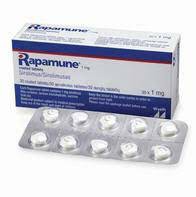
SirolimusThe original drug has been launched in China and has entered the scope of Class B medical insurance. SpecificationsThe price of each box of 1mg*10 tablets is about 400 yuan. The domestic drug is only available to patients with anti-rejection reactions in organ transplantation. Patients who do not meet the conditions may not be able to purchase this drug. The original sirolimus drug has also been launched overseas. The price of the Turkish version of Specifications1mg*100 tablets per box is around RMB 2,000 (the price may fluctuate due to exchange rates). The ingredients of the original drugs marketed in China are basically the same as those of foreign original drugs. Currently, there are no generic sirolimus drugs produced in other countries.
[ 免责声明 ] 本页面内容来自公开渠道(如FDA官网、Drugs官网、原研药厂官网等),仅供持有医疗专业资质的人员用于医学药学研究参考,不构成任何治疗建议或药品推荐。所涉药品可能未在中国大陆获批上市,不适用于中国境内销售和使用。如需治疗,请咨询正规医疗机构。本站不提供药品销售或代购服务。


