
.jpeg)
What are the precautions for Selpercatinib?
During treatment with Selpercatinib, patients need to pay attention to the occurrence of hepatotoxicity, interstitial lung disease/pneumonia, hypertension, QT interval prolongation, bleeding, allergies, tumor lysis syndrome, impaired wound healing, hypothyroidism and other events.
1. Hepatotoxicity: 3% of patients treated with serpatinib experienced severe liver adverse reactions. 59% of patients had elevated AST, and 55% of patients had elevated ALT. Before starting serpatinib, ALT and AST were monitored every 2 weeks for the first 3 months, and then monthly as clinically indicated. Withhold, reduce dose, or permanently discontinue serpatinib based on severity.
2. Interstitial lung disease/pneumonia: 1.8% of patients who received serpatinib developed interstitial lung disease(ILD)/pneumonia If a patient develops acute or worsening respiratory symptoms that may be indicative of ILD (e.g., dyspnea, cough, and fever), serpatinib should be withheld and ILD investigated immediately. Depending on the severity of diagnosed ILD, suspend, reduce dose, or permanently discontinue serpatinib.
3. Hypertension:6.3% of patients interrupted medication due to high blood pressure, and 1.3% of patients reduced medication due to hypertension. Treatment-emergent hypertension is usually controlled with antihypertensive medications. Do not administer selpatinib to patients with uncontrolled hypertension. Optimize blood pressure before starting retention. Monitor blood pressure after 1 week and at least monthly thereafter and as clinically indicated. Initiate or adjust antihypertensive treatment appropriately. Withhold, reduce dose, or permanently discontinue serpatinib based on severity.
4. QT interval prolongation: 7% of patients had a measured QTcF interval increased to >500 ms, 20% of patients had a measured QTcF interval increased by at least 60 ms from baseline, patients with clinically significant bradyarrhythmias and severe or uncontrolled heart failure. The QT interval should be monitored more frequently when serpatinib is coadministered with strong or moderate CYP3A inhibitors or drugs known to prolong the QTc interval. Discontinue, reduce dose, or permanently discontinue serpatinib based on severity.
5. Bleeding: Among patients receiving serpatinib, 3.1% experienced grade ≥3 bleeding events, including 4 cases (0.5%) of fatal bleeding events, including intracerebral hemorrhage, tracheostomy site bleeding, and hemoptysis. Patients with severe or life-threatening bleeding should permanently discontinue serpatinib.
6. Allergy: 6% of patients treated with Serpatinib experienced allergic reactions. Signs and symptoms of hypersensitivity reactions include fever, rash, and arthralgia or myalgia, accompanied by thrombocytopenia or transaminitis. If allergic reactions occur, discontinue Serpatinib. For recurrent hypersensitivity reactions, Serpatinib should be permanently discontinued.
7. Tumor lysis syndrome: Tumor lysis syndrome (TLS) occurred in 0.6% of patients with medullary thyroid cancer treated with serpatinib. Patients may be at risk for TLS if they have rapidly growing tumors, high tumor burden, renal dysfunction, or dehydration. Monitor at-risk patients closely, consider appropriate precautions, including hydration, and treat as clinically indicated.
8. Impaired wound healing: Patients receiving drugs that inhibit the vascular endothelial growth factor (VEGF) signaling pathway will experience impaired wound healing. Selpatinibmay have an adverse effect on wound healing. Stop indwelling catheterization at least7 days before elective surgery. Do not give this medication for at least 2 weeks after major surgery and until the wound has completely healed.
9. Hypothyroidism: Monitor thyroid function regularly before and during treatment with serpatinib, and perform thyroid hormone replacement therapy according to clinical indications. Depending on severity, withhold serpatinib until clinical stabilization or permanently discontinue serpatinib.
10. Embryo-fetal toxicity: Based on data from animal reproduction studies and its mechanism of action, serpatinib can cause fetal damage when administered to pregnant women. It is recommended that women of reproductive potential use serpatinib during treatment and after the last doseUse effective contraception within 1 week, and men of female partners of reproductive potential should use effective contraception during treatment with serpatinib and for 1 week after the last dose.
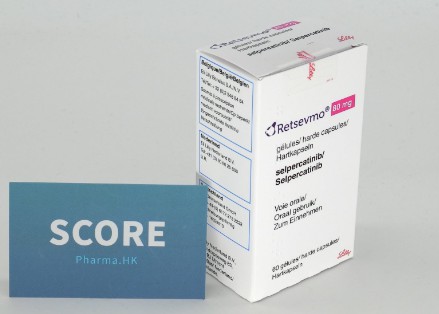
The original drug Serpatinib has not yet been launched in China, so it is not covered by medical insurance. Domestic patients cannot yet purchase this drug. Serpatinib marketed overseas The original drug has a US version and a European version. The price of the US version is about 150,000 yuan per box of 80mg*60 pills. The price of the European version of 80mg*56 pills per box is about 21,000 yuan (the price may fluctuate due to the exchange rate), which is expensive. There are also serpatinibgeneric drugs produced abroad. The specification produced by a Bangladesh pharmaceutical factory is 40mg*30 pills per box and the price is about 4,300 yuan (the price may fluctuate due to the exchange rate). The ingredients of the generic drugs are basically the same as those of the original drug.
[ 免责声明 ] 本页面内容来自公开渠道(如FDA官网、Drugs官网、原研药厂官网等),仅供持有医疗专业资质的人员用于医学药学研究参考,不构成任何治疗建议或药品推荐。所涉药品可能未在中国大陆获批上市,不适用于中国境内销售和使用。如需治疗,请咨询正规医疗机构。本站不提供药品销售或代购服务。


