
.jpeg)
What are the precautions for tiotropium bromide and olodaterol inhalation spray?
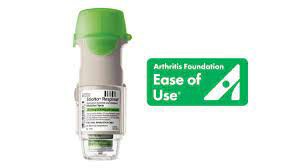
During the treatment of patients using tiotropium bromide and olodaterol inhalation spray for the treatment of chronic obstructive pulmonary disease(COPD), patients should pay attention to the occurrence of severe asthma-related events, disease exacerbations and exacerbations, overdose, immediate allergic reactions, paradoxical bronchospasm, cardiovascular effects, exacerbation of narrow-angle glaucoma, exacerbation of urinary retention, renal impairment, hypokalemia and hyperglycemia.
1. Severe asthma-related events:
Use of long-acting beta-2 adrenergic agonists (LABA) as monotherapy for the treatment of asthma, without the use of inhaled corticosteroids (ICS), is associated with an increased risk of asthma-related death. Available data from controlled clinical trials also suggest that use of LABAs as monotherapy increases the risk of asthma-related hospitalization in children and adolescents. Existing data do not suggest that LABA use in COPD patients increases the risk of death.
2. Disease exacerbation and acute attack:
Tiotropium and olodaterol inhalation spray should not be used in patients with acute exacerbations of chronic obstructive pulmonary disease, which may be life-threatening. It is also not intended to relieve acute symptoms, i.e. as rescue treatment for an acute episode of bronchospasm.COPD can worsen acutely within hours, or chronically over days or longer. If tiotropium olodaterol inhalation spray no longer controls bronchoconstriction symptoms, or the patient's inhaled short-acting beta2-agonist becomes less effective, or the patient requires more inhaled short-acting beta2-agonist than usual, these may be signs of worsening disease.
3. Overuse and other long-actingβ2-receptor agonists:
As with other inhaled medications containingβ2-adrenergic drugs, tiotropium olodaterol inhalation spray should not be used more frequently than recommended, nor should it be used in combination with other drugs containing long-acting beta2-agonists because of the potential for overdose. Overdose of inhaled sympathomimetics has been reported to cause clinically significant cardiovascular effects and death.
4. Immediate allergic reaction:
Immediate allergic reactions, including urticaria, angioedema (including swelling of the lips, tongue, or throat), rash, bronchospasm, anaphylaxis, or itching may occur after taking tiotropium and olodaterol inhalation spray. If such a reaction occurs, treatment should be discontinued immediately and alternative treatments should be considered. Given the similar structural formulas of atropine and tiotropium bromide, patients with a history of allergic reactions to atropine or its derivatives should be closely monitored for similar allergic reactions.
5. Paradoxical bronchospasm:
As with other inhaled medications, tiotropium and olodaterol inhalation spray may cause paradoxical bronchospasm, which may be life-threatening. If paradoxical bronchospasm occurs, it should be discontinued immediately and alternative treatment initiated.
6. Cardiovascular effects:
Like otherbeta2-agonists, olotaro may produce clinically significant cardiovascular effects in some patients, as measured by increases in pulse rate, systolic or diastolic blood pressure, and/or symptoms. If such effects occur, tiotropium olodaterol inhalation spray may need to be discontinued. Beta-agonists can cause ECG changes, such as T wave flattening, QTc interval prolongation, and ST segment depression. The clinical significance of these findings is unclear. Long-acting beta-2 adrenergic agonists should be used with caution in patients with cardiovascular disease (especially coronary insufficiency, cardiac arrhythmias, hypertrophic obstructive cardiomyopathy, and hypertension).
7. Coexistence conditions:
As with other sympathomimetic amines, olodaro should be used with caution in patients with convulsive disorders or thyrotoxicosis, patients with known or suspectedQT interval prolongation, and patients who are unusually sensitive to sympathomimetic amines. Exacerbations of preexisting diabetes mellitus and ketoacidosis have been reported at doses associated with intravenous administration of the beta2-agonist albuterol.
8. Exacerbation of narrow-angle glaucoma:
Tiotropium bromide and olodaterol inhalation spray should be used with caution in patients with narrow-angle glaucoma. Prescribers and patients should be alert to the signs and symptoms of acute narrow-angle glaucoma (e.g., ocular pain or discomfort, blurred vision, halos, or color images associated with red eye caused by conjunctival injection and corneal edema).
9. Worsening of urinary retention:
Tiotropium bromide and olodaterol inhalation spray should be used with caution in patients with urinary retention. Prescribers and patients should be alert to the signs and symptoms of prostatic hyperplasia or bladder neck obstruction (such as difficulty urinating, painful urination), especially in patients with prostatic hyperplasia or bladder neck obstruction. Instruct patients to consult their physician immediately if any of these signs or symptoms occur.
10. Kidney function damage:
Because tiotropium is a drug that is primarily excreted by the kidneys, patients with moderate to severe renal impairment (creatinine clearance <60 mL/min) treated with tiotropium olodaterol inhalation spray should be closely monitored for anticholinergic side effects.
11. Hypokalemia and hyperglycemia:
Beta-adrenergic agonists may produce significant hypokalemia in some patients, which may produce adverse cardiovascular effects. The decrease in serum potassium is usually transient and does not require supplementation. High doses of inhaled beta-2 adrenergic agonists may cause increases in blood glucose.
[ 免责声明 ] 本页面内容来自公开渠道(如FDA官网、Drugs官网、原研药厂官网等),仅供持有医疗专业资质的人员用于医学药学研究参考,不构成任何治疗建议或药品推荐。所涉药品可能未在中国大陆获批上市,不适用于中国境内销售和使用。如需治疗,请咨询正规医疗机构。本站不提供药品销售或代购服务。


