
.jpeg)
What are the precautions for taking Rivaroxaban?
While patients are taking Rivaroxaban , they should pay attention to the occurrence of events such as aggravation of thrombosis, bleeding, spinal cord/epidural anesthesia or puncture, hemodynamic instability, andpregnancy-related bleeding.
1. Increased risk of thrombotic events after premature discontinuation: In the absence of adequate alternative anticoagulant therapy, premature discontinuation of any oral anticoagulant, including rivaroxaban, will increase the risk of thrombotic events. In clinical trials in patients with atrial fibrillation, an increased incidence of stroke was observed during the transition from rivaroxaban to warfarin. If rivaroxaban is discontinued for reasons other than pathological bleeding or end of treatment.
2. Bleeding: Rivaroxaban will increase the risk of bleeding and may lead to severe or fatal bleeding. It should be discontinued in patients with active pathological bleeding. Its terminal elimination half-life is 5-9 hours. The simultaneous use of other drugs that impair hemostasis will increase the risk of bleeding.
3. Spinal/Epidural anesthesia or puncture: When axonal anesthesia (spinal/epidural anesthesia) or spinal puncture is used, patients who are taking anticoagulants to prevent thromboembolic complications are at risk of developing an epidural or spinal hematoma, which may lead to long-term or permanent paralysis. After the last dose of rivaroxaban, the indwelling epidural or intrathecal catheter should not be removed until at least 2 half-lives have elapsed, and the next dose of rivaroxaban should not be administered within 6 hours of removal of the catheter. If traumatic puncture occurs, delay use for 24 hours.
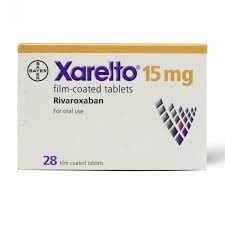
4. Patients with triple-positive antiphospholipid syndrome have an increased risk of thrombosis: direct-acting oral anticoagulants (DOACs) including rivaroxaban are not recommended for use in patients with triple-positive antiphospholipid syndrome (APS). In patients with APS (especially those with triple positivity [lupus anticoagulant, anticardiolipin, and anti-β2-glycoprotein I antibodies]), treatment with DOACs is associated with an increased rate of recurrent thrombotic events compared with treatment with vitamin K antagonists.
5. Acute pulmonary embolism in patients with hemodynamic instability or patients who require thrombolysis or pulmonary embolectomy: For patients with pulmonary embolism who are hemodynamically unstable or who may undergo thrombolysis or pulmonary embolectomy, it is not recommended to use rivaroxaban immediately instead of unfractionated heparin.
6. Patients with prosthetic heart valves: According to the GALILEO study, rivaroxaban is not recommended for patients undergoing transcatheter aortic valve replacement (TAVR) because patients randomized to receive rivaroxaban had higher mortality and bleeding rates than patients randomized to receive antiplatelet therapy. The safety and effectiveness of rivaroxaban have not been studied in patients undergoing other prosthetic heart valves or other valve surgeries. Rivaroxaban is not recommended for patients with prosthetic heart valves.
7. Risk of pregnancy-related bleeding: In pregnant women, rivaroxaban should be used only when the potential benefits justify the potential risks to the mother and fetus. Rivaroxaban dosage during pregnancy has not been studied. Standard laboratory tests cannot monitor the anticoagulant effects of rivaroxaban; promptly assess for any signs or symptoms suggestive of blood loss (such as decreased hemoglobin and/or hematocrit, hypotension, or fetal distress).
RivaroxabanThe original drug is already on the market in China and can be found under Class B medical insurance. SpecificationsThe price of 10mg*5 tablets is around RMB 100. This drug may be sold in domestic pharmacies or hospitals. The Turkish version of rivaroxabanoriginal drug marketed overseas, specifications10mg*10 tablets, is priced around RMB 170 (the price may fluctuate due to exchange rates). The ingredients of the original rivaroxaban drug sold domestically and abroad are basically the same. Currently, there are no generic drugs produced in other countries on the market overseas.
[ 免责声明 ] 本页面内容来自公开渠道(如FDA官网、Drugs官网、原研药厂官网等),仅供持有医疗专业资质的人员用于医学药学研究参考,不构成任何治疗建议或药品推荐。所涉药品可能未在中国大陆获批上市,不适用于中国境内销售和使用。如需治疗,请咨询正规医疗机构。本站不提供药品销售或代购服务。


