
.jpeg)
What are the precautions for taking Ruxolitinib?
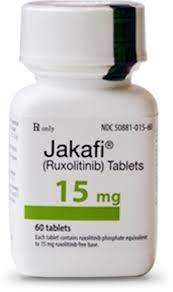
During treatment with Ruxolitinib, patients should pay attention to the occurrence of adverse events such as thrombocytopenia, anemia and neutropenia, infection, symptom exacerbation, non-melanoma skin cancer (NMSC), elevated blood lipids, adverse vascular events (MACE), thrombosis, and secondary malignant tumors.
1. Thrombocytopenia, anemia and neutropenia: Control thrombocytopenia by reducing the dose or temporarily interrupting the dose. Platelet transfusion may be required. Patients with anemia may require blood transfusion and/or dose adjustment. Severe neutropenia (ANC less than 0.5×10^9/L) can be reversed by discontinuing the drug until recovery. Obtain a pre-treatment complete blood count (CBC) and monitor CBC every 2-4 weeks until dose is stable, then as clinically indicated.
2. Infection: If serious bacterial, mycobacterial, fungal and viral infections occur, such as tuberculosis, herpes zoster and herpes simplex, progressive multifocal leukoencephalopathy, hepatitis B, etc., the start of ruxolitinib tablets treatment needs to be delayed until the active serious infection is resolved, and active monitoring and preventive antibiotics should be used according to clinical guidelines.
3. Symptom worsening: After stopping ruxolitinib tablets, symptoms of myeloproliferative neoplasms may return to pre-treatment levels in approximately one week. Some patients with MF experienced one or more of the following adverse events after discontinuation: fever, respiratory distress, hypotension, DIC, or multiple organ failure. If one or more of the above conditions occur after discontinuation or dose reduction, evaluate and treat any concurrent conditions and consider restarting or adding ruxolitinib tablets. When treatment is discontinued or interrupted for reasons other than thrombocytopenia or neutropenia, a gradual dose reduction of ruxolitinib should be considered rather than abrupt discontinuation.
4. Non-melanoma skin cancer (NMSC): Patients receiving ruxolitinib tablets have experienced non-melanoma skin cancer, including basal cell carcinoma, squamous cell carcinoma and Merkel cell carcinoma. Patients should undergo regular skin examinations.
5. Increased blood lipids: Treatment with ruxolitinib tablets is associated with an increase in blood lipid parameters, including total cholesterol, low-density lipoprotein (LDL) cholesterol and triglycerides. The impact of these elevated lipid parameters on cardiovascular morbidity and mortality in patients treated with ruxolitinib tablets has not been determined. Evaluate blood lipid parameters approximately 8-12 weeks after starting ruxolitinib tablets treatment, and monitor and treat according to clinical guidelines for the management of hyperlipidemia.
6. Adverse vascular events (MACE): JAK inhibitors increase the risk of MACE, including cardiovascular death, myocardial infarction, and stroke in patients with rheumatoid arthritis (compared to patients treated with TNF blockers), Ruxolitinib tablets are not indicated for this disease. Before initiating or continuing treatment with ruxolitinib tablets, patients should be informed of the symptoms of serious cardiovascular events and the steps to take if they occur.
7. Thrombus formation:JAK inhibitors increase the risk of thrombosis in patients with rheumatoid arthritis, including deep vein thrombosis (DVT), pulmonary embolism (PE) and arterial thrombosis (compared with patients treated with TNF blockers). This is a disease for which ruxolitinib tablets are not indicated. Patients with thrombosis symptoms should be promptly evaluated and appropriately treated.
8. Secondary malignant tumors: JAK inhibitors increase the risk of lymphoma and other malignant tumors other than NMSC in patients with rheumatoid arthritis (compared with patients treated with TNF blockers). Ruxolitinib tablets have no indication for this disease.
[ 免责声明 ] 本页面内容来自公开渠道(如FDA官网、Drugs官网、原研药厂官网等),仅供持有医疗专业资质的人员用于医学药学研究参考,不构成任何治疗建议或药品推荐。所涉药品可能未在中国大陆获批上市,不适用于中国境内销售和使用。如需治疗,请咨询正规医疗机构。本站不提供药品销售或代购服务。


