
.jpeg)
What are the precautions for Rasagiline?
Patients should be aware of the occurrence of adverse events such as hypertension, serotonin syndrome, sleep onset and somnolence, liver function impairment, hypotension, dyskinesia, hallucinations/psychotic-like behavior, impulse control/obsessive-compulsive behavior, high fever and confusion after discontinuation of the drug.
1. Hypertension: Hypertension may worsen during rasagiline treatment. If blood pressure continues to rise, medications may need to be adjusted. Patients should be advised to avoid foods containing high amounts of tyramine while taking recommended doses of rasagiline, as this may lead to substantial increases in blood pressure, including clinical syndromes known as hypertensive emergencies, crises, or emergencies.
2. Serotonin syndrome : Patients treated with antidepressants combined with rasagiline may develop life-threatening serotonin syndrome. It is not recommended to combine rasagiline with one of a variety of antidepressants (such as selective serotonin reuptake inhibitors SSRIs, serotonin-norepinephrine reuptake inhibitors SNRIs, triazolopyridine, tricyclic or tetracyclic antidepressants).
3. Falling asleep and somnolence : Before starting treatment with rasagiline, patients should be informed of the possibility of drowsiness and specifically asked about factors that may increase the risk, such as the concomitant use of sedative drugs, the presence of sleep disorders, and the concomitant use of drugs that increase rasagiline plasma levels (such as ciprofloxacin). Rasagiline should generally be discontinued if patients experience significant daytime sleepiness or fall asleep during activities that require active participation (e.g., driving a car, talking, eating); there is insufficient information to demonstrate that dose reduction will eliminate fall asleep during activities of daily living.
4. Hepatic impairment : The plasma concentration of rasagiline may be increased in patients with hepatic impairment. Patients with mild hepatic impairment should take rasagiline0.5 mg once daily. Rasagiline should not be used in patients with moderate or severe hepatic impairment.
5. Hypotension: When used as an adjunct to levodopa, orthostatic hypotension has also been reported as an adverse reaction, in approximately 6% of patients treated with rasagiline 0.5 mg and in 9% of patients treated with rasagiline 1 mg. Orthostatic hypotension resulted in discontinuation and premature withdrawal from the clinical trial in 1 (0.7%) patient taking rasagiline 1 mg/day, but not in any patient taking rasagiline 0.5 mg/day or placebo-treated patients.
6. Dyskinesia: When used as an auxiliary drug to levodopa, rasagiline may cause dyskinesia or enhance dopaminergic side effects, and aggravate the original dyskinesia. In the study, the incidence of dyskinesia was 18% in patients taking 0.5 mg or 1 mg of rasagiline as an adjunct to levodopa. Reducing the levodopa dose may reduce this side effect.
7. Hallucination/Psychosis-like Behavior: Postmarketing reports indicate that patients may develop new or worsening mental status and behavioral changes that may be severe, including psychosis-like behavior during treatment with rasagiline or after starting or increasing the dose. Other drugs used to improve symptoms of Parkinson's disease have similar effects on thinking and behavior. If a patient experiences hallucinations or psychotic-like behavior while taking rasagiline, consider reducing the dose or discontinuing the medication.
8. Impulse Control/Compulsive Behavior: Patients who take one or more drugs that increase central dopaminergic tone and are commonly used to treat Parkinson's disease (including rasagiline) will experience intense urges to gamble, increased sexual desire, intense desires to spend money, overeating, and/or other intense desires, and an inability to control these desires. When the dose is reduced or the medication is stopped, these urges stop. If a patient develops such symptoms while taking rasagiline, consider reducing the dose or discontinuing the medication.
9. Hyperpyrexia and confusion after drug withdrawal: A syndrome similar to neuroleptic malignant syndrome (characterized by elevated body temperature, muscle rigidity, altered consciousness, and autonomic instability) (without other obvious causes) is associated with rapid dose reduction, discontinuation, or changes in drugs that increase central dopaminergic tone.
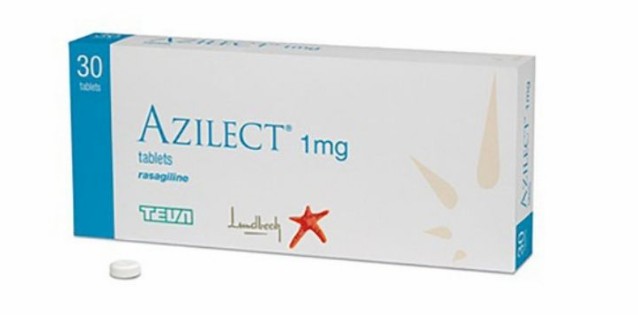
The original drug of rasagiline has been launched in China and has entered the category of Class B medical insurance. The common name is rasagiline mesylate tablets, and the specifications areThe price of each box of 1mg*14 tablets may be around RMB 600. The price of the Turkish version of rasagiline's original drug, 1mg*30 tablets, per box sold overseas may be around RMB 310 (the price may fluctuate due to exchange rates). There are also generic drugs produced in other countries. The price of a box of 1mg*100 tablets produced by an Indian pharmaceutical factory may be around RMB 240 (the price may fluctuate due to the exchange rate). The pharmaceutical ingredients of generic drugs are basically the same as those of domestic and foreign original drugs. For specific prices and drug information, please consult Yaode Medical Consultants.
[ 免责声明 ] 本页面内容来自公开渠道(如FDA官网、Drugs官网、原研药厂官网等),仅供持有医疗专业资质的人员用于医学药学研究参考,不构成任何治疗建议或药品推荐。所涉药品可能未在中国大陆获批上市,不适用于中国境内销售和使用。如需治疗,请咨询正规医疗机构。本站不提供药品销售或代购服务。


