
.jpeg)
Fulvestrant Efficacy and Side Effects
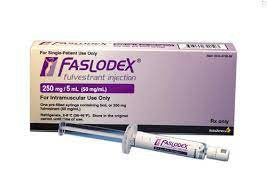
Fulvestrant (Fulvestrant) is an important endocrine therapy drug, mainly used for the treatment of hormone receptor-positive breast cancer. It plays an important role in cancer treatment, and its efficacy and side effects are crucial considerations for both patients and medical professionals.
Efficacy:
The main function of fulvestrant is to inhibit the growth of breast cancer cells by regulating the estrogen receptor (ER) signaling pathway. In hormone receptor-positive breast cancer, estrogen is a key factor that promotes cancer cell growth. Fulvestrant works through two mechanisms:
1.Competitive estrogen receptor degradation: Fulvestrant will bind to ER, causing conformational changes in the ER receptor complex, leading to the degradation of ER. This reduces the amount of ER available in the cell, making the cancer cells less sensitive to estrogen.
2.Reduce estrogen receptor expression: Fulvestrant can also reduce ER gene expression and reduce the dependence of cancer cells on estrogen.
3.These effects jointly inhibit the growth of cancer cells, thereby delaying the progression of breast cancer.
Side effects:
Although fulvestrant is a beneficial treatment, it may cause some side effects. These side effects can vary from person to person, but here are some common side effects:
1.Injection site reactions: Fulvestrant is administered via intramuscular injection and may cause local injection site reactions such as pain, redness, swelling, and itching.
2.Flushing: Flushing is a common side effect in which patients may feel warm, red and swollen in the face and upper body.
3.Nausea and Vomiting: Some patients may experience mild nausea and vomiting during treatment with fulvestrant.
4.Fatigue: Fatigue is a common side effect of many anticancer treatments, and fulvestrant may also cause patients to feel tired and weak.
5.Headache: Some patients may experience headache while taking fulvestrant.
6.Arthralgia: Arthralgia is another possible side effect that may affect the patient's quality of life.
7.Reduced bone density: Long-term use of fulvestrant may lead to reduced bone density and increase the risk of fractures.
8.Abnormal bleeding: Fulvestrant may sometimes be associated with abnormal bleeding or irregular menstruation.
9. Abnormal liver function: Fulvestrant may affect liver function, leading to increased liver enzymes and other phenomena.
It should be noted that different patients may have different side effects of fulvestrant. Many side effects are manageable and are often evaluated and managed by doctors on a patient-specific basis. During treatment, work closely with medical professionals to promptly report any discomfort and side effects so that treatment options can be adjusted and support can be provided.
In short, fulvestrant is an important breast cancer treatment drug that delays tumor growth by inhibiting the action of estrogen receptors. Although some side effects may occur during use, they can be better managed by working closely with your doctor to ensure that the patient receives the maximum benefit from the treatment.
Fulvestrant injection has been launched in China and has been included in medical insurance. Patients can buy it domestically. The price of domestically imported original drugs is around 5,000 to 6,000 yuan, while domestic drugs are slightly cheaper. For specific prices, please consult the local hospital pharmacy or the medical insurance bureau. There is only the original drug Fulvestrant abroad. The cheaper original drugs are mainly the Turkish original drug and the Indian version of the original drug, with prices ranging from 1000~2000The ingredients and efficacy of the original drugs at home and abroad are the same.
xa0
[ 免责声明 ] 本页面内容来自公开渠道(如FDA官网、Drugs官网、原研药厂官网等),仅供持有医疗专业资质的人员用于医学药学研究参考,不构成任何治疗建议或药品推荐。所涉药品可能未在中国大陆获批上市,不适用于中国境内销售和使用。如需治疗,请咨询正规医疗机构。本站不提供药品销售或代购服务。


