
.jpeg)
How effective is Fulvestrant in treating breast cancer?
Fulvestrant (Fulvestrant) is an endocrine therapy drug for estrogen receptor-positive (ER+) breast cancer. It belongs to the estrogen receptor antagonist category. Its efficacy is mainly achieved by inhibiting estrogen receptor signaling, thereby reducing the growth and proliferation of tumor cells. This article will combine clinical experimental data to explore the efficacy of fulvestrant in the treatment of breast cancer.
1. The mechanism of fulvestrant: Fulvestrant, as an estrogen receptor antagonist, binds to the estrogen receptor and inhibits its activity, thereby reducing the dependence of breast cancer cells on estrogen. This helps reduce tumor cell proliferation, growth and metastasis. Compared with other endocrine therapy drugs, fulvestrant has a more direct mechanism and is suitable for patients who are resistant to other endocrine therapy drugs.
2. Clinical trial data
Multiple clinical trials have evaluated fulvestrant in the treatment of breast cancer. Here are some of the important clinical trial results:
2.1 FALCONTrial: The FALCONtrial is a randomized, multicenter, open-label trial designed to compare fulvestrant with anastrozole (another endocrine therapy) in the treatment of ER+, HER2- advanced breast cancer. Trial results showed that fulvestrant prolonged progression-free survival (progression-free survival, PFS) compared with anastrozole. Median PFS was 16.6 months with fulvestrant and 13.8 months with anastrozole. This result shows that fulvestrant exhibits clear advantages in delaying disease progression.
2.2 CONFIRMTrial: The CONFIRMtrial is a multi-center, double-blind, randomized, parallel-group design study that evaluates fulvestrant in advanced ER+ER+Efficacy and safety in patients with breast cancer. The results showed that patients taking fulvestrant showed a longer median progression-free survival (6.5 months, compared with 5.5 months in the control group). This result further confirms the positive role of fulvestrant in the treatment of breast cancer.
2.3 PALOMA-3 trial: The PALOMA-3 trial mainly evaluated the efficacy of the combination of fulvestrant and paloxitinib (a CDK4/6 inhibitor) in patients with advanced breast cancer, and its advantages compared with fulvestrant alone. The results of the study showed that the median progression-free survival in the combination treatment group was 9.5 months, compared with 4.6 months in the fulvestrant alone group. This suggests that the combination of fulvestrant and a CDK4/6 inhibitor can significantly prolong progression-free survival in certain patient populations.
3. Side Effects and Safety: Although fulvestrant has shown good efficacy in the treatment of breast cancer, it may also be associated with some side effects. Common side effects include pain at the injection site, nausea, fatigue, headache, etc. In addition, some patients may experience more serious adverse events, such as fractures, thrombosis, etc. Therefore, when using fulvestrant, physicians need to weigh the potential benefits and risks and make individualized treatment decisions based on the patient's specific circumstances.
Based on the above clinical trial data, fulvestrant, as an endocrine therapy drug, has shown significant efficacy in ER+ breast cancer patients. It inhibits the proliferation and growth of tumor cells by antagonizing the effects of estrogen receptors, thereby prolonging progression-free survival. However, there are possible side effects and safety issues that need to be noted when using fulvestrant. In the future, as more clinical studies are conducted, we can further understand the potential of fulvestrant in the treatment of breast cancer and provide patients with more effective and safer treatment options.
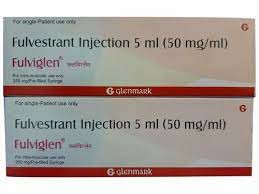
Fulvestrant injection has been launched in China and has been included in medical insurance. Patients can buy it domestically. The price of domestically imported original drugs is around 5,000 to 6,000 yuan, while domestic drugs are slightly cheaper. For specific prices, please consult the local hospital pharmacy or the medical insurance bureau. There is only Fulvestrant's original drug abroad. The cheaper original drugs are mainly the Turkish original drug and the Indian version of the original drug. The price is around 1,000~2,000 yuan, and the ingredients and efficacy of the original drugs at home and abroad are the same.
[ 免责声明 ] 本页面内容来自公开渠道(如FDA官网、Drugs官网、原研药厂官网等),仅供持有医疗专业资质的人员用于医学药学研究参考,不构成任何治疗建议或药品推荐。所涉药品可能未在中国大陆获批上市,不适用于中国境内销售和使用。如需治疗,请咨询正规医疗机构。本站不提供药品销售或代购服务。


