
.jpeg)
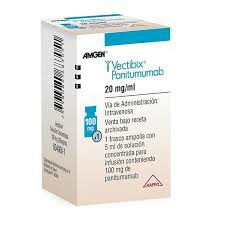
Precautions for Panitumumab
During the treatment of metastatic colorectal cancer (mCRC) with Panitumumab, patients should pay attention to the occurrence of skin and soft tissue toxicity, accelerated tumor progression, increased mortality or insufficient benefit, electrolyte depletion/monitoring, infusion reactions, acute renal failure combined with chemotherapy, pulmonary fibrosis/interstitial lung disease (ILD), photosensitivity, eye toxicity and other events.
1. Skin and soft tissue toxicity: Clinical manifestations include but are not limited to acneiform dermatitis, itching, erythema, rash, skin exfoliation, paronychia, dry skin and skin cracks. Life-threatening and fatal infectious complications, including necrotizing fasciitis, abscesses, and sepsis, and life-threatening and fatal bullous mucocutaneous disease with blisters, erosions, and skin loss have been observed in patients treated with panitumumab. Withhold or discontinue panitumumab for skin or soft tissue toxicity associated with serious or life-threatening inflammatory or infectious complications.
2.Accelerated tumor progression, increased mortality, or insufficient benefit: Panitumumab is not suitable for the treatment of colorectal cancer patients containing somatic RAS mutations in exon 2 (codons 12 and 13), exon 3 (codons 59 and 61), and exon 4 (codons 117 and 146) of KRAS or NRAS. Anti-EGFR antibodies in patients with tumors containing RAS mutations lead to anti-EGFR-related adverse reactions in these patients, but these drugs do not confer clinical benefit
3. Electrolyte depletion/Monitoring: In clinical trials, serum magnesium levels gradually decreased, leading to severe (grade 3-4) hypomagnesemia in up to 7% of patients. Patients were regularly monitored for hypomagnesemia and hypocalcemia before starting panitumumab treatment and during treatment, and continued for 8 weeks after the end of treatment. Other electrolyte disorders, including hypokalemia, were also observed. Patients can appropriately supplement magnesium and other electrolytes.
4. Infusion reaction: Infusion reaction may occur after administration of panitumumab, manifesting as fever, chills, dyspnea, bronchospasm and hypotension. Fatal infusion reactions have occurred during postmarketing experience. For severe infusion reactions, discontinue the infusion.
5. Acute renal failure combined with chemotherapy: Severe diarrhea and dehydration leading to acute renal failure and other complications have been observed in patients receiving panitumumab combined with chemotherapy.
6. Pulmonary fibrosis/Interstitial lung disease (ILD): Fatal and non-fatal cases of interstitial lung disease (ILD) (1%) and pulmonary fibrosis have been observed in patients receiving panitumumab. Panitumumab therapy should be interrupted if pulmonary symptoms develop acutely or worsen. Discontinue panitumumab therapy if ILD is diagnosed. In patients with a history of, or evidence of, interstitial pneumonia or pulmonary fibrosis, the benefits of panitumumab therapy and the risk of pulmonary complications must be carefully considered.
7. Photosensitivity: Exposure to the sun will aggravate skin toxicity. It is recommended that patients apply sunscreen and wear a hat while taking panitumumab, and limit sun exposure.
8. Eye toxicity: Severe cases of keratitis, ulcerative keratitis and corneal perforation have occurred when using panitumumab, and signs of keratitis, ulcerative keratitis or corneal perforation need to be monitored. Interrupt or discontinue panitumumab therapy for acute or worsening keratitis, ulcerative keratitis, or corneal perforation.
[ 免责声明 ] 本页面内容来自公开渠道(如FDA官网、Drugs官网、原研药厂官网等),仅供持有医疗专业资质的人员用于医学药学研究参考,不构成任何治疗建议或药品推荐。所涉药品可能未在中国大陆获批上市,不适用于中国境内销售和使用。如需治疗,请咨询正规医疗机构。本站不提供药品销售或代购服务。


