
.jpeg)
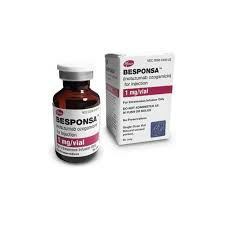
The Chinese instructions for Oplusituzumab/Ointouzumab (Besponsa)
1. Indications:
Ogaintozumab/Ointozumab is suitable for the treatment of adult patients with B cell acute lymphoblastic leukemia (B-ALL), especially those who have developed resistance to traditional treatments or have relapsed.
2. Mechanism of action:
Olintuzumab/Olintuzumab is a targeted drug with the following mechanism of action:
1.TargetingCD22antigen:Ogaituzumab/Ointuzumab targets the CD22antigen on the surface of lymphocytes, which is a specific marker for B cells. In B-ALL, leukemic cells often express CD22.
2.Prevent the growth and survival of leukemia cells: Ogaintozumab/Ointozumab binds to CD22 antigen and interferes with the normal functions of leukemia cells, including preventing cell proliferation and inducing apoptosis. This helps reduce the number of leukemia cells, thereby improving the condition.
3. Pharmacology:
1.Absorption and distribution:Oxantuzumab/OxantuzumabUsually administered via intravenous injection into the patient's circulatory system. It is mainly distributed in the blood in the body.
2.Metabolism and Excretion: AboutThe metabolism and excretion mechanisms of intuzumab and intuzumab are unknown.
4. Dosage and usage:Ogaintozumab/Ogaintozumab The usage is usually based on the doctor’s recommendations and the patient’s specific conditions. General recommendations are as follows:
1.Initial dose: The initial dose is determined based on factors such as the patient's weight and height. Doses are usually administered divided into days over a 28 day treatment cycle.
2.Continuous treatment: Treatment usually needs to be continued for several cycles to achieve the best effect.
3.Treatment monitoring: During treatment, doctors will regularly monitor the patient's white blood cell count and other biochemical parameters to ensure the effectiveness and safety of the treatment.
5. Side effects:
Oxetuzumab/Oxantuzumab may cause a variety of side effects, including but not limited to:
1.Fever: Fever is a common adverse reaction and may require medical intervention.
2.Infections: Because the immune system is suppressed, patients are more susceptible to infections.
3.Anemia: It may lead to anemia, manifested by symptoms such as fatigue and weakness.
4.Bleeding tendency: increased risk of bleeding and congestion.
5.Nausea and Vomiting: Vomiting and nausea are common complaints that can be managed with medications.
6.Abnormal liver function: Some patients may develop abnormal liver function during treatment.
7.Headache: May be accompanied by headache and other neurological symptoms.
8.Gastrointestinal discomfort: May cause symptoms such as diarrhea, abdominal pain, or indigestion.
9.Skin reactions: Skin reactions include rash or itching.
10.Nervous system symptoms: may be accompanied by symptoms such as dizziness, insomnia and anxiety.
11.Immune-related adverse reactions: May cause immune-related adverse reactions, such as cytolysis syndrome (CRS) and neurotoxicity.
6. Warnings and precautions:
1.Risk of infection: Because oxinutuzumab/oxinutuzumab suppresses the immune system, patients need to be closely monitored for signs of infection, such as fever, sore throat, etc.
2.Liver function monitoring: Liver function needs to be monitored during treatment to detect abnormalities.
3.Bleeding risk: Patients need to pay special attention to signs of bleeding tendency, such as nosebleeds, gum bleeding, etc.
4.Pregnant and lactating women:Olintuzumab/Olintuzumabmay be harmful to the fetus and should be avoided by pregnant women. Breastfeeding women should also consider this carefully.
5.Immune-related adverse reactions: Doctors need to closely monitor immune-related adverse reactions and deal with possible complications in a timely manner.
7. Contraindications:
Oxetuzumab/OxetuzumabContraindicated in the following conditions: Patients who are allergic to this drug or any of its components.
8. Drug interactions:
Olintuzumab/Olintuzumab may interact with other drugs, so patients should inform their doctors about all the drugs they are taking, including prescription drugs, over-the-counter drugs, and supplements.
9. Medication for special groups:
1.Geriatric patients: For elderly patients, dosage adjustments may be necessary based on kidney function and overall health.
2.Patients with renal insufficiency: For patients with renal insufficiency, the dose may need to be adjusted based on renal function.
3.Patients with hepatic impairment: For patients with hepatic impairment, the dose may need to be adjusted based on liver function.
10. Listing and price situation:
Ogaintozumab/Ogaintozumab has been launched in China, but it is not included in medical insurance. The domestic price is around 60,000 to 70,000 yuan, which is very expensive. Patients can buy it domestically. There are only original drugs available abroad, mainly Pfizer’s original drugs, which cost more than 80,000 yuan.
Before using this medication, patients should consult a physician or medical professional for detailed treatment guidelines and a personalized treatment plan. In addition, patients should communicate with their doctor regularly during treatment to monitor treatment progress and manage any potential adverse effects.
[ 免责声明 ] 本页面内容来自公开渠道(如FDA官网、Drugs官网、原研药厂官网等),仅供持有医疗专业资质的人员用于医学药学研究参考,不构成任何治疗建议或药品推荐。所涉药品可能未在中国大陆获批上市,不适用于中国境内销售和使用。如需治疗,请咨询正规医疗机构。本站不提供药品销售或代购服务。


