
.jpeg)
Instructions for Obeticholic acid
1. Common name: obeticholic acid
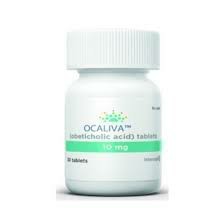
Product name:OCALIVA
All names: Obeticholic acid, Obeticholic acid, Ocaliva
2. Indications:
Obeticholic acid (Obeticholic acid) is indicated for the treatment of adults with primary cholangitis (PBC), including the absence of cirrhosis or for compensated cirrhosis without evidence of portal hypertension, either in combination with ursodeoxycholic acid (UDCA), ineffective against UDCA, or as monotherapy in patients who cannot tolerate UDCA.
The indication for obeticholic acid was granted accelerated approval based on alkaline phosphatase (ALP) reduction, with improvement in survival or disease-related symptoms not yet established. Continued approval for this indication may be contingent upon verification and characterization of clinical benefit in confirmatory trials.
3. Usage and dosage:
1. Before taking medicine:
Before initiating obeticholic acid, physicians should determine whether the patient has decompensated cirrhosis (e.g., Child-Pugh class B or C), has had a previous decompensated event, or has compensated cirrhosis with portal hypertension (e.g., ascites, gastroesophageal varices, sustained thrombocytopenia), since obeticholic acid is contraindicated in these patients.
2. Recommended dosage:
In patients with primary cholangitis (PBC) without cirrhosis or compensated cirrhosis, who have no evidence of portal hypertension, who have not achieved an adequate biochemical response to an appropriate dose of ursodeoxycholic acid for at least 1 year, or who are intolerant to ursodeoxycholic acid, use ursodeoxycholic acid before initiating obeticholic acid. n>The recommended dose is 5 mg orally once daily for the first 3 months, increasing to a maximum dose of 10 mg once daily after the first 3 months in patients with insufficient reduction in ALP and/or total bilirubin and in patients who tolerate obeticholic acid.
3. Dosage adjustment:
(1) Obeticholic acid should be permanently discontinued in patients with laboratory or clinical evidence of hepatic decompensation, evidence of compensated cirrhosis with portal hypertension, clinically significant hepatic adverse reactions, or complete biliary obstruction. Discontinuation of obeticholic acid therapy should be considered in patients who continue to experience persistent, intolerable pruritus despite treatment strategies.
(2)If the patient experiences intolerable itching, the doctor will consider adding antihistamines or bile acid-binding resin to relieve discomfort; for patients who are intolerant to 5 mg once a day, obeticholic acid Reduce dose to 5 mg every other day; reduce to 5 mg once daily in patients who cannot tolerate 10 mg once daily; or temporarily interrupt obeticholic acid dosing for up to 2 weeks. Restart at reduced dose. For patients with dose reductions or interruptions, titrate dose based on biochemical response and tolerability.
4. Management:
For patients who are taking bile acid-binding resins, take obeticholic acid at least 4 hours before or 4 hours after taking bile acid-binding resins, or as long as possible.
4. Adverse reactions:
The most common adverse reactions to obeticholic acid include (which may affect more than 6/10 people) and fatigue (which may affect more than 2/10 people). Itching may cause treatment to be discontinued. In most cases seen, itching occurs within the first month of treatment and subsides over time as treatment continues. After obeticholic acid was put on the market, adverse reactions such as liver failure, new cirrhosis, increase in direct bilirubin and total bilirubin, and new or worsening jaundice occurred.
5. Storage:
Obeticholic acid is stored20°C to 25°C (68°F to 77°F); tolerance is 15°C to 30°C (59°F to 86°F).
6. Taboo:
Obeticholic acid is contraindicated in patients with decompensated cirrhosis (such as Child-Pugh class B or C) or previous decompensation events, compensated cirrhosis with signs of portal hypertension (such as ascites, gastroesophageal varices, sustained thrombocytopenia), and patients with complete biliary obstruction.
7. Mechanism of action:
obeticholic acidIs an agonist for FXR, a nuclear receptor expressed in the liver and intestines. FXR is a key regulator of bile acid, inflammation, fibrosis and metabolic pathways. FXR activation reduces intracellular hepatocyte concentrations of bile acids by inhibiting de novo cholesterol synthesis and increasing bile acid transport outside hepatocytes. These mechanisms limit the overall size of the circulating bile acid pool while promoting bile secretion, thereby reducing hepatic exposure to bile acids.
The original drug of obeticholic acid has not yet been marketed in the country, so it has not been included in medical insurance. The original obeticholic acid drug marketed overseas is expensive, with each box costing around tens of thousands of yuan. The price is also affected by exchange rates and is unstable. It is understood that obeticholic acid has been produced as a generic drug and its ingredients are basically the same as those of the original drug. For example, the price of 5mg*30 tablets produced by a Bangladesh pharmaceutical factory is around RMB 1,000 per box (the price may fluctuate due to the exchange rate), and the price is cheap. For more drug information and specific prices, please consult a medical consultant.
[ 免责声明 ] 本页面内容来自公开渠道(如FDA官网、Drugs官网、原研药厂官网等),仅供持有医疗专业资质的人员用于医学药学研究参考,不构成任何治疗建议或药品推荐。所涉药品可能未在中国大陆获批上市,不适用于中国境内销售和使用。如需治疗,请咨询正规医疗机构。本站不提供药品销售或代购服务。


