
.jpeg)
What are the precautions for taking Obeticholic acid?
During and after treatment with Obeticholic acid, patients should pay attention to the occurrence of events such as liver decompensation and failure, severe pruritus, and HDL-C reduction in patients with cirrhosis.
1. Liver decompensation and failure in patients with cirrhosis:
Sometimes it is fatal or leads to liver transplantation. Among cases reported post-marketing, the median time to hepatic decompensation (such as new onset of ascites) in patients with compensated cirrhosis was 4 months; the median time to new decompensation events (such as hepatic encephalopathy) in patients with decompensated cirrhosis was 2.5 months. Closely monitor patients with compensated cirrhosis, concomitant liver disease (e.g., autoimmune hepatitis, alcoholic liver disease), and/or concomitant serious illness for new evidence of portal hypertension (e.g., ascites, gastroesophageal varices, persistent thrombocytopenia) or an increase in total bilirubin, direct bilirubin, or prothrombin time above the upper limit of normal to determine whether discontinuation is necessary.
2. Severe itching:
Severe pruritus is defined as intense or widespread itching that interferes with activities of daily living, or causes severe sleep disturbance, or intolerable discomfort, often requiring pharmacological intervention. In clinical trials, the incidence of severe itching was 0% at months 0-6 and 15% at months 6-12. Management strategies include adding bile acid-binding resins or antihistamines, reducing the dose of obeticholic acid, and/or temporarily interrupting obeticholic acid administration.
3. HDL-C reduction:
Patients with primary cholangitis (PBC) usually present with hyperlipidemia, which is characterized by a significant increase in total cholesterol, mainly due to elevated levels of high-density lipoprotein cholesterol (HDL-C). Patients should be monitored for changes in blood lipid levels during treatment. For patients who have failed to respond to obeticholic acid after 1 year on the highest recommended dose of obeticholic acid as tolerated (maximum dose is 10 mg once daily), and for patients who have reduced HDL-C, weigh the potential risks and benefits of continuing treatment.
4. Liver function damage:
Patients should be routinely monitored for the progression of primary cholangitis through laboratory and clinical assessment, and obeticholic acid should be permanently discontinued in patients who develop laboratory or clinical evidence of hepatic decompensation, evidence of compensated cirrhosis with portal hypertension, or clinically significant hepatic adverse effects during treatment, and treatment should be interrupted during severe intercurrent illness.
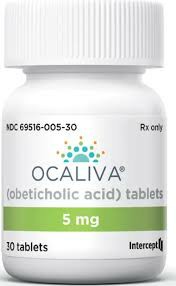
The original drug of obeticholic acid has not yet been marketed in the country, so it has not been included in medical insurance. The original obeticholic acid drug marketed overseas is expensive, with each box costing around tens of thousands of yuan. The price is also affected by exchange rates and is unstable. It is understood that obeticholic acid has been produced as a generic drug and its ingredients are basically the same as those of the original drug. For example, the price of 5mg*30 tablets produced by a Bangladesh pharmaceutical factory is around RMB 1,000 per box (the price may fluctuate due to the exchange rate), and the price is cheap. For more drug information and specific prices, please consult a medical consultant.
[ 免责声明 ] 本页面内容来自公开渠道(如FDA官网、Drugs官网、原研药厂官网等),仅供持有医疗专业资质的人员用于医学药学研究参考,不构成任何治疗建议或药品推荐。所涉药品可能未在中国大陆获批上市,不适用于中国境内销售和使用。如需治疗,请咨询正规医疗机构。本站不提供药品销售或代购服务。


