
.jpeg)
What are the precautions for Obinutuzumab?
During treatment with Obinutuzumab, patients should pay attention to the occurrence of hepatitis B virus reactivation, progressive multifocal leukoencephalopathy, infusion-related reactions, allergic reactions (including serum sickness), tumor lysis syndrome, infection, neutropenia, thrombocytopenia, disseminated intravascular coagulation and other events. Live virus vaccination is not recommended during treatment and before B cell recovery.
1. Hepatitis B virus reactivation: leading to fulminant hepatitis, liver failure and death in some cases, can occur in patients receiving anti-CD20 antibodies such asotuzumab. Before initiating treatment with otuzumab , screen all patients for HBV infection by measuring HBsAg and anti-HBc. Patients who develop HBV reactivation while receiving otuzumab should immediately discontinue otuzumab and any concomitant chemotherapy and initiate appropriate treatment.
2. Progressive multifocal leukoencephalopathy (PML): John Cunningham (JC) virus infection causes progressive multifocal leukoencephalopathy, which can be fatal. The diagnosis of PML should be considered in any patient who develops new onset or changes in preexisting neurological manifestations. Evaluation of PML includes, but is not limited to, consultation with a neurologist, brain MRI, and lumbar puncture. Discontinue otuzumabtherapy and consider discontinuing or reducing any concomitant chemotherapy or immunosuppressive therapy in patients with PML.
3. Infusion-related reactions (IRRS): 65% of CLL patients responded to the first injection of 1000mg outuzumab , 37% of patients with relapsed or refractory NHL and 60% of patients with previously untreated NHL experienced a response on Day 1 of an otuzumab infusion. Symptoms may include hypotension, tachycardia, dyspnea, and respiratory symptoms (eg, bronchospasm, larynx and throat irritation, wheezing, laryngeal edema). The most commonly reported symptoms include nausea, fatigue, chest discomfort, difficulty breathing, dizziness, vomiting, diarrhea, rash, high blood pressure, low blood pressure, flushing, headache, fever, and chills. Acetaminophen, antihistamines, and corticosteroids were administered to the patient preoperatively, and the patient was closely monitored throughout the infusion. Depending on the severity of IRRs, reduce the infusion rate, interrupt the infusion, or permanently discontinue otuzumab.
4. Anaphylaxis (including serum sickness): Symptoms of immediate hypersensitivity reactions include dyspnea, bronchospasm, hypotension, urticaria and tachycardia. Delayed-type hypersensitivity reactions diagnosed as serum sickness, with symptoms including chest pain, diffuse arthralgia, and fever, have also been reported. If an allergic reaction is suspected during or after the infusion, discontinue the infusion and permanently discontinue treatment. Otuzumab is contraindicated in patients with a known allergic reaction to Obinutuzumab, including patients with serum sickness who have previously received Otuzumab.
5. Tumor lysis syndrome (TLS): Patients with high tumor burden, high circulating lymphocyte count (>25×109/L) or renal impairment are at greater risk of developing TLS. For patients at risk for TLS, before infusingBefore otuzumab, use anti-hyperuricemic drugs (such as allopurinol or rasburicase) and hydration for appropriate tumor lysis prevention. During the initial days of otuzumab treatment, monitor laboratory parameters in patients considered at risk for TLS. For the treatment of TLS, correct electrolyte abnormalities, monitor renal function and fluid balance, and provide supportive care, including dialysis as needed.
6. Infections: Fatal and serious bacterial, fungal, and new or reactivated viral infections may occur during and after treatment with otuzumab. Do not give otenuzumab to patients with active infections; patients with a history of recurrent or chronic infections may be at increased risk of infection.
7. Neutropenia: Serious and life-threatening neutropenia, including febrile neutropenia, has been reported during treatment with otuzumab. Monitor patients with grade 3 to 4 neutropenia frequently with routine laboratory testing until symptoms resolve. Anticipate, evaluate, and treat any signs or symptoms of developing infection. Consider dose delay in grade 3 or 4 neutropenia with granulocyte colony-stimulating factor (GCSF). Patients with severe and prolonged (>1 week) neutropenia receive antimicrobial prophylaxis until neutropenia resolves to grade 1 or 2.
8. Thrombocytopenia: Monitor all patients for thrombocytopenia and bleeding events, especially during the first cycle, and assess laboratory coagulation parameters if clinically indicated. For patients with grade 3 or 4 thrombocytopenia, monitor platelet counts more frequently until resolution and consider delaying the dose of otuzumab and chemotherapy or reducing the dose of chemotherapy. Blood product transfusions may be required (i.e., platelet transfusions). Consider discontinuing concomitant medications that may increase the risk of bleeding (platelet inhibitors, anticoagulants), especially during the first cycle.
9. Disseminated intravascular coagulation (DIC): Most cases of DIC involve changes in platelets and laboratory coagulation parameters after the first infusion, which usually resolve spontaneously on the 8th day. In some cases, DIC is related to IRRs and/or TLS. For patients with suspected DIC, evaluate the underlying cause and monitor coagulation parameters, platelet count, and signs and symptoms of bleeding or thrombosis.
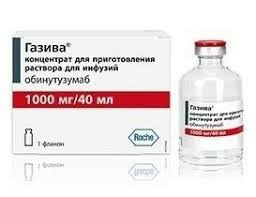
The original drug of Otuzumab has been launched in China and has entered the scope of medical insurance, but it is only reimbursed for patients who meet the indications. Specifications The price of 1000mg (40ml)*1 bottle may be around 9,000 yuan, which is a strictly controlled drug. The price of the Turkish version of Otuzumab Specifications1000mg/40ml per box listed overseas may be around RMB 10,000 (the price may fluctuate due to the exchange rate). The ingredients of the original drugs sold domestically and abroad are basically the same. There is currently no generic version of Otuzumab produced and launched. For more drug information and specific prices, please consult the medical consultant of Yaode.
[ 免责声明 ] 本页面内容来自公开渠道(如FDA官网、Drugs官网、原研药厂官网等),仅供持有医疗专业资质的人员用于医学药学研究参考,不构成任何治疗建议或药品推荐。所涉药品可能未在中国大陆获批上市,不适用于中国境内销售和使用。如需治疗,请咨询正规医疗机构。本站不提供药品销售或代购服务。


