
.jpeg)
What are the precautions for Nilotinib?
During treatment with Nilotinib (Nilotinib), patients should pay attention to the occurrence of bone marrow suppression, QT prolongation, cardiac and arterial vascular occlusive events, pancreatitis and serum lipase elevation, liver toxicity, electrolyte abnormalities, tumor lysis syndrome, bleeding, total gastrectomy, fluid retention, embryo-fetal toxicity and other events.
1. Myelosuppression: Treatment with nilotinib can lead to grade 3/4 thrombocytopenia, neutropenia and anemia. Complete blood counts should be performed every two weeks for the first two months and monthly thereafter, or as clinically indicated. Myelosuppression is usually reversible and is usually managed by temporarily discontinuing nilotinib or reducing the dose.
2. QT prolongation: Nilotinib has been shown to prolong ventricular repolarization in a concentration-dependent manner as measured by the QT interval on surface electrocardiogram (ECG). QT prolongation can cause a type of ventricular tachycardia called torsades de pointes, which can lead to syncope, seizures, and/or death. Nilotinibshould not be used in patients with hypokalemia, hypomagnesemia, or longQT syndrome. Regularly check blood levels of electrolytes, calcium, and magnesium before starting nilotinib, and perform an electrocardiogram 7 days after starting nilotinib.
3. Cardiac and arterial vaso-occlusive events: Includes arterial vaso-occlusive events reported in randomized clinical trials in patients with newly diagnosed chronic myelogenous leukemia and observed in post-marketing reports in patients receiving nilotinib. If acute signs or symptoms of a cardiovascular event occur, patients are advised to seek immediate medical attention. According to standard guidelines, patients' cardiovascular status should be assessed and cardiovascular risk factors monitored and actively managed during nilotinib treatment.
4. Pancreatitis and elevated serum lipase: Patients with a history of pancreatitis are at greater risk of elevated serum lipase. If elevated lipase is associated with abdominal symptoms, interrupt dosing and consider appropriate diagnostics to rule out pancreatitis, and measure serum lipase levels monthly or as clinically indicated.
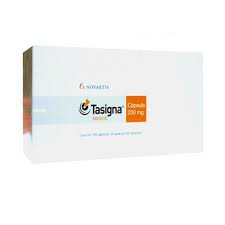
5. Hepatotoxicity: Nilotinib may cause hepatotoxicity as measured by increases in bilirubin, aspartate aminotransferase (AST), alanine aminotransferase (ALT), and alkaline phosphatase. Grade 3-4 elevations in bilirubin, aspartate aminotransferase, and alanine aminotransferase have been reported more frequently in pediatric patients than in adult patients. Monitor liver function tests and follow dose adjustments monthly or as clinically indicated.
6. Electrolyte abnormalities: The use of nilotinib can cause hypophosphatemia, hypokalemia, hyperkalemia, hypocalcemia and hyponatremia. Correct electrolyte abnormalities before initiating nilotinib and during treatment. Monitor these electrolytes regularly during treatment.
7. Tumor lysis syndrome (TLS): It has been reported that patients receiving nilotinibCases of tumor lysis syndrome (TLS) have been reported in patients with chronic myelogenous leukemia who are resistant or intolerant to treatment. Most of these cases present with malignant disease progression, high white blood cell (WBC) counts, and/or dehydration. Due to potential TLS, maintain adequate hydration and correct uric acid levels before initiating treatment with nilotinib.
8. Bleeding: Patients with chronic myelogenous leukemia (CML) who received nilotinib treatment have experienced serious bleeding events, including fatal events.
9. Total gastrectomy: Nilotinib exposure is reduced in patients who have total gastrectomy, so these patients should be monitored more frequently. Consider increased dose or alternative therapy in patients undergoing total gastrectomy.
10. Fluid Retention: During treatment with nilotinib, monitor patients for signs of severe fluid retention (e.g., unexpected rapid weight gain or swelling) and symptoms of respiratory or cardiac impairment (e.g., shortness of breath); evaluate the cause and treat patients accordingly.
11. Embryo-Fetotoxicity: Based on findings from animal studies and its mechanism of action, nilotinib can cause fetal harm when used in pregnant women. Advise females of reproductive potential to use effective contraception during treatment and for 14 days after the last dose.
The original drug Nilotinib is marketed in China under the name Nilotinib and is covered by medical insurance, but reimbursement is limited to patients who meet the indications. SpecificationsThe price of 150mg*120 tablets per box may be around 9,000 yuan. The Indian version of Nilotinib is available overseas. The price of Nilotinib's original drug, 150mg*28 capsules per box, may be around RMB 1,000 (the price may fluctuate due to exchange rates). The ingredients of the original drug sold domestically and abroad are basically the same. Currently, there is no generic version of Nilotinib produced and launched. For more drug information and specific prices, please consult Yaode Medical Consultants.
[ 免责声明 ] 本页面内容来自公开渠道(如FDA官网、Drugs官网、原研药厂官网等),仅供持有医疗专业资质的人员用于医学药学研究参考,不构成任何治疗建议或药品推荐。所涉药品可能未在中国大陆获批上市,不适用于中国境内销售和使用。如需治疗,请咨询正规医疗机构。本站不提供药品销售或代购服务。


