
.jpeg)
What disease does Mosunetuzumab treat?
Mosunetuzumab (Mosunetuzumab) is a drug that belongs to the field of immunotherapy. Specifically, it is a type of immune checkpoint inhibitor. The development of this drug represents a major breakthrough in cancer treatment and provides new treatment options for some patients with malignant tumors. The properties, mechanisms, and applications of motuzumab will be described in detail below.
Motuzumab is a humanized monoclonal antibody that is administered intravenously. What makes it unique is its bispecific antibody structure, which targets two different proteins, CD3 and CD20 simultaneously. CD3 exists on the surface of T cells, while CD20 mainly exists on the surface of B cells, including malignant B cells. This allows motuzumab to connect T cells and B cells, prompting T cells to actively attack malignant B cells while reducing damage to normal cells.
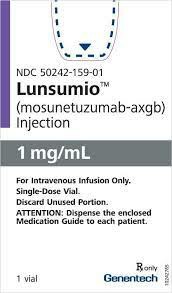
The primary indication for motuzumab is the treatment of diffuse large B cell lymphoma (DLBCL), a common subtype of B cell malignancy. It is commonly used in adults with refractory or relapsed DLBCL, especially those who are no longer responsive to traditional treatments. Motuzumab treatment regimens are typically administered intravenously and can be completed in a relatively short period of time, thereby improving the patient's quality of life.
Although motuzumab represents an innovative approach to cancer treatment, it may be associated with side effects such as fever, chills, nausea, fatigue, etc. Therefore, before using motuzumab, doctors will develop a personalized treatment plan based on the patient's specific situation and overall health, and closely monitor the patient's response.
[ 免责声明 ] 本页面内容来自公开渠道(如FDA官网、Drugs官网、原研药厂官网等),仅供持有医疗专业资质的人员用于医学药学研究参考,不构成任何治疗建议或药品推荐。所涉药品可能未在中国大陆获批上市,不适用于中国境内销售和使用。如需治疗,请咨询正规医疗机构。本站不提供药品销售或代购服务。


