
.jpeg)
What is the difference between Mobocertinib and Everolimus? How to choose?
Mobocertinib and everolimus (Everolimus) are two different drugs used for cancer treatment. They have different mechanisms of action, indications and usage. In choosing between the two drugs, doctors will make their decision based on a variety of factors, including the patient's specific situation, cancer type and genetic analysis. The characteristics of these two drugs and how to choose them will be introduced in detail below.
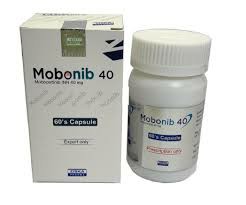
Mobocertinib (Mobocertinib):
1.Mechanism of action:
Mobosetinib is a targeted therapy drug mainly used to treat EGFR (epidermal growth factor receptor) mutations in non-small cell lung cancer (NSCLC), especially T790M positive patients.
It prevents the growth and spread of cancer cells by inhibiting EGFR mutants, especially the T790M mutation.
2.Indications:
Mobosetinib is mainly suitable for EGFR T790Mpositive NSCLC patients, which is a resistance mutation that renders conventional EGFR inhibitors ineffective.
This drug is often used as first-line treatment or as an alternative treatment option after failure of otherEGFR inhibitors.
3.Usage:
Mobosetinib is usually an oral medication that patients take every day as recommended by their doctor.
The medication plan will be individually adjusted according to the patient's specific situation and condition, and usually requires long-term maintenance treatment.
Everolimus (Everolimus):
1.Mechanism of action:
Everolimus is a drug called a mTOR inhibitor, which inhibits the intracellular mTOR signaling pathway, which plays a key role in cell growth and division.
Everolimus helps control the growth of many types of cancer by inhibiting the proliferation of abnormal cells.
2.Indications:
Everolimus is suitable for a variety of cancer types, including renal cell carcinoma (renal cell carcinoma), pancreatic neuroendocrine tumors (pancreatic neuroendocrine tumors) and breast cancer (breast cancer).
It is often used as a follow-up treatment option for cancer and is considered when other treatments have failed or are not suitable.
3.Usage:
Everolimus is usually an oral medication that patients take every day as recommended by their doctor.
Medication plans are tailored to the patient's specific cancer type and condition and require regular monitoring to ensure treatment is effective and tolerable.
How to choose:
When choosing between moboxetinib and everolimus, key decision-making factors include the following aspects:
1.Cancer type and genetic analysis: First, doctors will consider the patient's cancer type and whether specific genetic mutations are present. Mobosetinib is mainly used for EGFRmutatedNSCLC, while everolimus is suitable for many different types of cancer.
2.Resistance and treatment history: If the patient has received other treatments, especially treatments targeting specific targets, doctors need to evaluate whether there is a resistance problem. Mobosetinib is usually first-line treatment or used to treat patients who are resistant to EGFR inhibitors, while everolimus is usually used for subsequent treatment.
3.The patient’s overall health: Doctors will also evaluate the patient’s overall health, including liver function, kidney function, immune system status, etc. These factors can influence drug tolerability and safety.
4.Adverse reactions and side effects: Both drugs may cause a range of different side effects. Doctors will discuss these potential risks with patients and choose the appropriate drug based on the patient's needs.
5.Patient’s personal preference: Finally, patient’s personal preference is also an important consideration. The patient and doctor should work together to decide on the treatment option that is best for the patient, taking into account the patient's wishes and lifestyle.
In summary, moboxetinib and everolimus are two different cancer treatments and should be chosen based on the patient's cancer type, genetic analysis, drug resistance, health status and personal preference. Treatment planning often requires close collaboration between doctor and patient to ensure optimal outcomes. Therefore, patients are advised to consult their doctor to discuss and develop the most appropriate treatment plan.
Mobotinib is currently on the market in China, but it is not included in medical insurance. Patients need to pay for it in full, so the price is very high. Please consult the local hospital pharmacy for specific prices. Other versions include the Hong Kong version of the original drug Mobotinib, which costs around 7,000 to 8,000 yuan. The generic drug of Mobotinib is mainly a Laotian generic drug. The price is about three to four thousand yuan, which is nearly half cheaper than the original drug. The ingredients of the original drug and the generic drug are the same.
[ 免责声明 ] 本页面内容来自公开渠道(如FDA官网、Drugs官网、原研药厂官网等),仅供持有医疗专业资质的人员用于医学药学研究参考,不构成任何治疗建议或药品推荐。所涉药品可能未在中国大陆获批上市,不适用于中国境内销售和使用。如需治疗,请咨询正规医疗机构。本站不提供药品销售或代购服务。


