
.jpeg)
What are the precautions for taking Venetoclax?
While using Venetoclax to treat chronic lymphocytic leukemia (CLL), small lymphocytic lymphoma (SLL), and acute myeloid leukemia (AML), patients should pay attention to the occurrence of adverse events such as tumor lysis syndrome, neutropenia, infection, embryo-fetal toxicity, and do not inject live attenuated vaccines until B cells are restored, which may lead to poor efficacy.
1. Tumor lysis syndrome (TLS): includes fatal events and renal failure requiring dialysis. Venetoclax causes rapid tumor shrinkage and therefore poses a risk for TLS during the initial and ramp-up phases in all patients, as well as during reinitiation after dose interruption in CLL/SLL patients. Assess all patients for risk and provide appropriate TLS precautions, including hydration and anti-hyperuricemia. Monitor blood chemistry and handle abnormalities promptly. As the overall risk increases, more intensive measures (intravenous hydration, frequent monitoring, hospitalization) are used. Interrupt dosing if necessary; follow dose adjustment guidelines when reinitiating venetoclax.
2. Neutropenia: In combination and monotherapy studies of patients with CLL, 63%-64% of patients experienced grade 3 or 4 neutropenia, and 31%-33% of patients experienced grade 4 neutropenia when treated with venetoclax. Febrile neutropenia occurs in 4%-6% of patients. Among patients with AML, 95% to 100% of patients receiving venetoclax combination therapy had worsening in baseline neutrophil counts. Neutropenia recurs in subsequent cycles. Monitor complete blood counts throughout treatment and consider supportive measures, including antimicrobials and growth factors (e.g., G-CSF).
3. Infections: Patients treated with venetoclax have experienced fatal and serious infections, such as pneumonia and sepsis. Doctors monitor patients for signs and symptoms of infection and treat them promptly. For grade 3 and 4 infections, reserve intravenous administration until resolution.
4. Embryonic-Fetal toxicity: Based on the results of animal studies and its mechanism of action, venetoclax may cause embryo-fetal damage when used in pregnant women. In an embryo-fetal study in mice, administration of venetoclax to pregnant animals at a dose of 400 mg daily equivalent to that observed in patients resulted in postimplantation losses and decreased fetal weight. Advise females of reproductive potential to use effective contraception during treatment with venetoclax and for 30 days after the last dose.
5. It is not recommended to use venetoclax combined with bortezomib plus dexamethasone to treat patients with multiple myeloma.
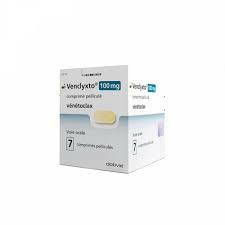
The original drug of Venacla has been launched in China, and can be found in the Category B Medical Insurance Catalog, with specificationsThe price of each box of 100mg*14 tablets may be around 5,000 RMB. The Turkish version of Venaclaoriginal drug, specifications100mg*112 tablets, sold overseas, costs around RMB 10,000 per box (the price may fluctuate due to exchange rates), which is even more expensive. Cheaper generic drugs are also sold overseas, and their pharmaceutical ingredients are basically the same as those of the original drugs. The price of a box of 100mg*120 tablets produced by a Bangladeshi pharmaceutical factory is around RMB 4,000 (prices may fluctuate due to exchange rates).
[ 免责声明 ] 本页面内容来自公开渠道(如FDA官网、Drugs官网、原研药厂官网等),仅供持有医疗专业资质的人员用于医学药学研究参考,不构成任何治疗建议或药品推荐。所涉药品可能未在中国大陆获批上市,不适用于中国境内销售和使用。如需治疗,请咨询正规医疗机构。本站不提供药品销售或代购服务。


