
.jpeg)
Dosage of Amivantamab
Amivantamab (Amivantamab) usage and dosage are usually determined based on the patient's specific condition, type of cancer, and doctor's recommendations. The following is general information, but please note that the specific use and dosage of this medication may vary depending on the severity of the condition, medical history, and individual differences. Therefore, patients should always follow their doctor's specific instructions.
1. Usage:
Evantumumab is usually given to patients as an intravenous injection (IV). This means the drug is delivered intravenously into the patient's bloodstream to ensure it reaches the tumor tissue quickly and has its effect. Injections are usually given by a medical professional in a hospital or treatment center. Treatment periods and frequency will vary based on the patient's specific situation, and the doctor will determine the treatment plan.
2. Dosage:
The dosage of evantumumab is usually based on the patient's weight and general health. Dosage can vary based on patient needs, but generally, the recommended initial dose is calculated based on the patient's weight and is typically used during the first cycle of each treatment cycle. The dose is gradually increased until the level required to maintain therapeutic effects is achieved.
3. Treatment cycle:
The length of the treatment cycle will vary depending on the patient's condition and the doctor's recommendations. Typically, evantumumab is a long-term maintenance treatment, and patients will undergo multiple treatment cycles based on their doctor's recommendations. The treatment plan may include regular injections of medications to maintain effective control of the cancer.
4. Treatment interval:
Treatment intervals will also vary based on the patient's specific condition. Your doctor will determine the intervals between each treatment cycle to ensure that the patient maximizes their benefit and reduces the risk of adverse effects during treatment.
5. Adverse reaction management:
Patients may experience some adverse reactions while taking evantumumab. These reactions may include nausea, vomiting, fatigue, headache, rash, etc. Your doctor will provide relevant supportive care and advice to relieve these discomforts. Patients should always contact their physician to report any discomfort or adverse reactions to ensure timely intervention and management.
6. Follow-up and monitoring:
Patients will need regular follow-up and monitoring while receiving evantumumab. These monitoring may include physical examination, blood tests, imaging studies, etc., to evaluate the effectiveness of treatment and monitor for any potential adverse effects. Doctors will adjust the treatment plan based on monitoring results to ensure optimal treatment results.
The most important thing is that patients should actively cooperate with their doctors and medical teams, follow the doctor's recommendations, and understand and manage possible adverse reactions to ensure the best treatment effect and improve the quality of life. This information provides general guidance, but a patient's specific treatment plan will vary based on their condition and their doctor's recommendations. Therefore, patients should work closely with a medical professional to ensure an individualized treatment plan.
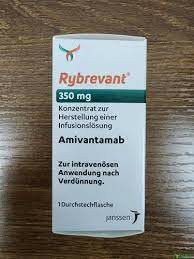
Evantuzumab is not yet available in China, so patients cannot purchase it domestically and need to purchase it through foreign channels. There are only European versions of original drugs available abroad, and the price is relatively high, around 20,000 yuan.
[ 免责声明 ] 本页面内容来自公开渠道(如FDA官网、Drugs官网、原研药厂官网等),仅供持有医疗专业资质的人员用于医学药学研究参考,不构成任何治疗建议或药品推荐。所涉药品可能未在中国大陆获批上市,不适用于中国境内销售和使用。如需治疗,请咨询正规医疗机构。本站不提供药品销售或代购服务。


