
.jpeg)
How to determine whether Amivantamab is resistant?
Determining whether resistance to Amivantumab or other targeted therapies often requires careful clinical and molecular evaluation. Drug resistance means that tumor cells no longer produce the expected therapeutic effect on therapeutic drugs, leading to disease progression and continued growth. The following will introduce in detail some methods and signs of how to judge evantumumab resistance.
1. Clinical symptoms and disease progression: A clear sign is the worsening of a patient's symptoms during treatment, as well as the further growth and spread of the tumor. Patients may report pain, difficulty breathing, cough, sputum production, chest discomfort, and other symptoms. The presence of these symptoms may indicate a decrease in the effectiveness of treatment and require further evaluation.
2. Imaging examinations: Through regular imaging examinations, such as CT scans, MRI or PET scans, the size and growth of the tumor can be observed. If the size of the tumor increases significantly or new lesions appear during treatment, this may be a sign of drug resistance. Doctors often compare these images with those from the initial diagnosis to evaluate the effectiveness of treatment.
3. Biomarker analysis: Molecular biology and genetic tests can detect whether a tumor has developed specific genetic changes that lead to resistance to treatment. For example, if there are new mutations in the EGFR or MET genes, this may reduce sensitivity to evantumumab. Testing for these genetic variations can help doctors determine whether drug resistance is present.
4. Rate of disease progression: The rate of tumor growth before and after treatment is also an indicator. If tumor growth is relatively slow before treatment and accelerates significantly during treatment, this may indicate the development of drug resistance. Doctors usually focus on tumor growth dynamics and comparisons before and after treatment.
5. Pathological evaluation: By examining tumor tissue samples before and after treatment, pathologists can observe whether the characteristics of the tumor have changed to determine whether drug resistance is present. This includes examination of the tumor's cytological characteristics, molecular markers, and histological structure.
6. Clinical evaluation: The doctor will discuss the progression of the disease with the patient, learn about changes in symptoms, perform a physical examination and evaluate the patient's overall health. Patient feedback and subjective feelings are also one of the important factors in judging drug resistance.
7. Duration of treatment response: If a patient initially responds to evantumumab with marked improvement but then loses efficacy over a period of time, this may be a sign of drug resistance. Doctors will consider the duration of treatment response to determine whether treatment needs to be adjusted.
8. Comparison with other treatment options: Determinations of resistance may also be compared with other available treatment options. If patients experience significant improvement after switching to other treatments, but then experience reduced efficacy while receiving evantumumab, this may further support the diagnosis of drug resistance.
Once resistance is identified, doctors will need to re-evaluate treatment plans. Typically, doctors may consider switching to other treatments such as chemotherapy, immunotherapy, other targeted drugs, or participating in a clinical trial. Decisions about treatment selection are often made based on the patient's condition, molecular characteristics, and treatment history. The development of drug resistance is common but does not mean that treatment options have been exhausted, as there are still multiple treatment options that can be explored. Therefore, close collaboration with medical experts and regular monitoring are crucial to detect resistance early and adjust treatment plans.
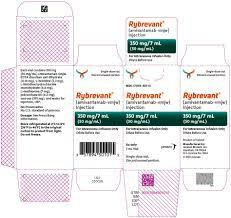
Evantuzumab is not yet available in China, so patients cannot purchase it domestically and need to purchase it through foreign channels. There are only European versions of original drugs available abroad, and the price is relatively high, around 20,000 yuan.
[ 免责声明 ] 本页面内容来自公开渠道(如FDA官网、Drugs官网、原研药厂官网等),仅供持有医疗专业资质的人员用于医学药学研究参考,不构成任何治疗建议或药品推荐。所涉药品可能未在中国大陆获批上市,不适用于中国境内销售和使用。如需治疗,请咨询正规医疗机构。本站不提供药品销售或代购服务。


