
.jpeg)
Blinatumomab dosage and usage
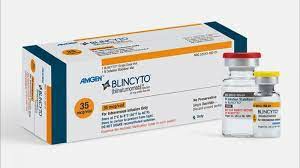
Belintuzumab is a biologic that helps the immune system attack leukemia cells more effectively by linking T cells with leukemia B cells. Its mechanism differs from traditional chemotherapy in that it targets the patient's immune system rather than killing cancer cells directly. This drug is often used in the treatment of acute lymphoblastic leukemia (ALL), especially in cases of minimal residual disease (MRD), which means patients may still have residual leukemia cells even after traditional treatment.
Usage and dosage
The use and dosage of belintuzumab usually varies based on the patient's weight, type of disease, and doctor's recommendations. The following are general usage and dosage guidelines:
1.Treatment cycle: Usually, the treatment cycle of belintuzumab is 4 weeks, followed by 2 weeks of rest. This cycle can be adjusted based on the patient's condition and the doctor's recommendations.
2.Initial dose: The initial dose depends on the patient's weight. Typically, the initial dose of belintuzumab is 9 micrograms per day. This dose is usually given to patients in divided doses during the first week of the first treatment cycle.
3.Maintenance dose: During the second week and subsequent treatment cycles, the maintenance dose is typically increased to 28mcg/days. This dose will also be divided into portions and started in the second week.
4.Adjustment of dose: The dose of belintuzumab may be adjusted based on the patient's clinical response. Your doctor may adjust the dose if adverse effects occur or a greater effect is needed.
5.Continuous treatment: After completing a treatment cycle, patients usually rest for 2 weeks before continuing with the next treatment cycle. The specific number and duration of treatment cycles will vary depending on the patient's needs.
6.Monitoring: During treatment with belintuzumab, patients' white blood cell counts and other clinical parameters will be monitored regularly to ensure the effectiveness and safety of the treatment.
7.Adverse reaction management: Bellintuzumab may cause some adverse reactions, including fever, headache, nausea, vomiting, pain, fatigue and discomfort at the injection site. These adverse effects are usually manageable, and your doctor will take steps to reduce the symptoms.
Treatment Plan
A treatment plan is usually developed with the guidance of the patient's doctor and health care team. This is a comprehensive plan that takes into account the patient's disease status, medication regimen, and treatment goals. The following are general guidelines for belintuzumab treatment planning:
1.Assess the patient's condition: Before starting treatment, the doctor will conduct a comprehensive evaluation of the patient, including a physical examination, laboratory tests, and imaging tests. This helps determine the severity of the disease and the patient's overall health.
2.Develop a personalized treatment plan: Based on the patient's assessment results, the doctor will develop a personalized treatment plan, including the dose and treatment cycle of belintuzumab.
3.Monitoring and adjustment: During treatment, the doctor will continue to monitor the patient's response. This includes regular checks of white blood cell counts and other blood parameters. Based on the patient's response, doctors can adjust the dosage or treatment plan.
4.Supportive therapy: Patients may need to receive supportive therapy during treatment with belintuzumab, including antibiotic treatment, analgesics, anti-nausea drugs, etc., to manage adverse reactions and reduce discomfort.
5.MonitoringMRD: During treatment, especially in MRD positive patients, monitoring for residual disease is critical. This can be achieved through methods such as flow cytometry.
6.Patient education: Patients and their families should be adequately educated about the course of treatment, management of adverse effects, and how to maintain close contact with the health care team.
Belintuzumab is an innovative drug used to treat acute lymphoblastic leukemia, especially in the setting ofMRD. Its use and dosage are based on the individual patient's condition, including weight, type of disease, and treatment plan. During treatment, doctors will closely monitor the patient's response and adjust the treatment plan as needed. Patients and their families should actively participate in treatment, receive supportive therapies, and work closely with the medical team to ensure that treatment is successful and safe. If you or a loved one needs to be treated with belintuzumab, it is important to consult a medical professional to get the best results from your treatment.
[ 免责声明 ] 本页面内容来自公开渠道(如FDA官网、Drugs官网、原研药厂官网等),仅供持有医疗专业资质的人员用于医学药学研究参考,不构成任何治疗建议或药品推荐。所涉药品可能未在中国大陆获批上市,不适用于中国境内销售和使用。如需治疗,请咨询正规医疗机构。本站不提供药品销售或代购服务。


