
.jpeg)
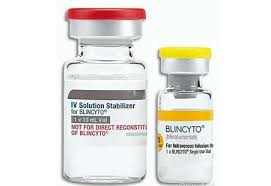
The effect of Blinatumomab chemotherapy on acute lymphoblastic leukemia
Acute lymphoblastic leukemia (ALL) is a dangerous blood cancer that affects the development and function of lymphocytes. ALLare generally divided into two main types: BcellsALL and TcellsALL. While there are many options for treating ALL, Blinatumomab represents an innovative treatment option, particularly in the setting of difficult-to-treat ALL subtypes such as minimal residual disease (MRD).
How belintuzumab works
Belintuzumab is a phage-antibody fusion drug designed to boost a patient's immune system to fight leukemia cells. It does this by connecting B cells and T cells together. This drug works based on two main mechanisms:
1. T cell activation: The antibody molecule contained in belintuzumab can simultaneously bind to the CD19 antigen on B cells and the CD3 antigen on T cells. This results in the activation of T cells, allowing them to recognize and attack CD19-positive leukemic B cells.
2.Tcell-mediated cytotoxicity: Once T cells are activated, they will release toxins that directly destroy leukemia cells. This cytotoxicity is the core mechanism of belintuzumab therapy, as it results in a potent attack on leukemia cells.
Efficacy of belintuzumab
Belintuzumab inALLRemarkable success has been achieved in treatment, especially in difficult-to-treat cases. The following are the main efficacy aspects of belintuzumab:
1.MRDPositiveTreatment of ALL: Minimal residual disease (MRD) is a condition in which residual leukemia cells can still be detected even after conventional treatment. For MRDpositiveALL patients, traditional therapies may not be effective enough, and belintuzumab has been shown to have significant efficacy in these settings. It can help patients achieve the disappearance of MRD, thereby increasing the chance of successful treatment.
2.Full response therapy: For some ALL patients, especially Bcell ALL, belintuzumab is also used in full response therapy to further consolidate treatment after induction of remission. This helps prevent recurrence of the disease and improves long-term survival rates.
3.Improved long-term survival: Belintuzumab has been shown to improve long-term survival in some patients with ALL when compared with traditional treatments. Especially for those who are MRDpositive, this treatment provides them with a better chance.
4.Reducing the need for traditional chemotherapy: Belintuzumab can reduce the need for traditional chemotherapy in some cases. This is particularly important for patients who cannot tolerate traditional chemotherapy, or who are otherwise unsuitable for traditional treatment.
Adverse reactions of belintuzumab
Although belintuzumab has achieved significant efficacy in the treatment ofALL, it may also cause some adverse reactions. These adverse effects are usually manageable, but patients and physicians need to monitor closely and take appropriate steps to manage them. Common adverse reactions include:
1.Fever: Fever is one of the most common adverse effects of belintuzumab. It usually occurs in the early stages of treatment but can be alleviated with appropriate medication management.
2.Headache: Some patients may experience headache. This is usually mild but requires a doctor's attention.
3.Nausea and vomiting: Nausea and vomiting are common adverse reactions, but they can be relieved by anti-nausea medications.
4.Injection site discomfort: Bellintuzumab is usually given to patients as an injection, so there may be discomfort or pain at the injection site.
5.Fatigue: Some patients may experience fatigue, which is often a common side effect of treatment.
Belintuzumab is an innovative drug for the treatment of acute lymphoblastic leukemia, especially in the setting of minimal residual disease (MRD). It improves the chances of treatment success in some ALL patients by boosting the immune system to attack leukemia cells. However, belintuzumab is also associated with some adverse reactions, so it needs to be used under the supervision of a doctor. For patients with ALL who are not suitable for or intolerant to traditional treatments, belintuzumab offers a treatment option that has the potential to improve disease outcomes. Before treatment with belintuzumab, patients should consult a professional physician to ensure optimal treatment efficacy and safety.
[ 免责声明 ] 本页面内容来自公开渠道(如FDA官网、Drugs官网、原研药厂官网等),仅供持有医疗专业资质的人员用于医学药学研究参考,不构成任何治疗建议或药品推荐。所涉药品可能未在中国大陆获批上市,不适用于中国境内销售和使用。如需治疗,请咨询正规医疗机构。本站不提供药品销售或代购服务。


