
.jpeg)
Warnings and Precautions for Using Glofitamab
Using Glofitamab (Glofitamab) is an important cancer treatment, but it comes with some potential risks and precautions. Before receiving this treatment, patients and doctors need to pay close attention to the following warnings and precautions:
1.Professional Medical Supervision: Graftuzumab is a highly specialized treatment and should only be used under the supervision of an experienced medical professional. Make sure the doctor or treatment center you choose has sufficient experience and expertise to administer this therapy.
2.Risk of immune reaction: Immune-related reactions, including allergic reactions and cytokine release syndrome, may occur during treatment with gaffetuzumab. These reactions can be serious and require prompt treatment. Patients should always report any unusual signs and symptoms to their doctor.
3.Risk of infection: Because gaffetuzumab may cause a decrease in white blood cells and platelets, the patient's immune system may be suppressed, increasing the risk of infection. Patients need to avoid exposure to situations that may trigger infection and follow their doctor's recommendations for infection prevention.
4.Monitoring and follow-up: During treatment, patients need regular medical monitoring and follow-up to ensure the safety and effectiveness of the treatment. This includes blood tests, liver function tests and other related tests.
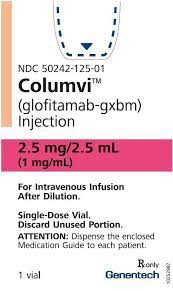
5.Cardiac Monitoring: In some cases, gaffetuzumab may have adverse effects on heart function. Patients may need cardiac monitoring to check the heart's activity and function.
6.Pregnancy and lactation: Grefituzumab may have adverse effects on the fetus. Therefore, women should avoid pregnancy during treatment and take appropriate contraceptive measures. At the same time, it is not known whether gaffetuzumab is excreted in breast milk, so nursing women may need to stop breastfeeding.
7.Allergy history: If a patient has a history of severe allergies, especially to antibiotics or other drugs, they should inform their doctor before treatment, as this may increase the risk of an allergic reaction.
8.Other medications and treatments: Patients should tell their doctors about all medications, supplements, and treatments they are using, including prescription, over-the-counter, and herbal medicines. Certain drugs may interact with gaffetuzumab, so your doctor needs to know all the relevant information.
9.Quality of life: Patients and doctors should discuss the risks and benefits of treatment together to ensure that the patient's quality of life is properly maintained. Treatment can cause side effects, but in some cases it can also provide significant cancer control and improve quality of life.
10.Family support: Patients often require family and social support while receiving gaffetuzumab. Family members and caregivers can provide emotional support and assist with daily tasks during treatment.
In summary, the use of gaffetuzumab is an important cancer treatment, but patients and doctors must work closely together to ensure the treatment is effective and safe. Following your doctor's recommendations, monitoring and reporting any potential problems, and proactively managing side effects are all critical to a successful treatment course. Patients should always consult their physician if they have any concerns or questions.
[ 免责声明 ] 本页面内容来自公开渠道(如FDA官网、Drugs官网、原研药厂官网等),仅供持有医疗专业资质的人员用于医学药学研究参考,不构成任何治疗建议或药品推荐。所涉药品可能未在中国大陆获批上市,不适用于中国境内销售和使用。如需治疗,请咨询正规医疗机构。本站不提供药品销售或代购服务。


