
.jpeg)
Precautions for Herzuma (trastuzumab-pkrb)
In the clinical study of Herzuma (trastuzumab-pkrb), warnings and precautions such as cardiomyopathy, infusion reactions, embryo-fetal toxicity, and pulmonary toxicity have emerged.
1. Cardiomyopathy: Herzuma can cause events such as left ventricular dysfunction, arrhythmias, hypertension, disabling heart failure, cardiomyopathy, and cardiac death. It can also cause asymptomatic decreases in left ventricular ejection fraction (LVEF). The incidence of symptomatic myocardial dysfunction was increased 4- to 6-fold in patients who received Herzumab alone or in combination compared with patients who did not receive trastuzumab. Assess left ventricular ejection fraction (LVEF) before starting Herzuma and periodically during treatment.
Stop taking Herzuma for at least 4 weeks for any of the following conditions: including LVEF absolute decrease of ≥16% compared to before treatment, LVEF below normal institutional limits, and LVEF absolute decrease of ≥10% from pretreatment value. Herzuma can be resumed if within 4-8 weeks, left ventricular ejection fraction returns to normal limits and the absolute decrease from baseline is ≤15%. If LVEF continues to decline (>8 weeks), or if Herzuma is suspended more than 3 times due to cardiomyopathy, it will be permanently discontinued.
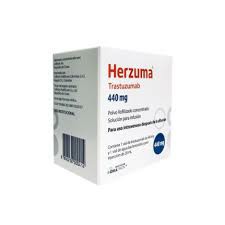
2. Infusion reactions: include a combination of symptoms characterized by fever and chills, sometimes including nausea, vomiting, pain (in some cases at the tumor site), headache, dizziness, dyspnea, hypotension, rash, and fatigue; serious reactions include bronchospasm, anaphylaxis, angioedema, hypoxia, and severe hypotension, usually reported during or immediately after the initial infusion. For fatal events, death occurred several hours after a severe infusion reaction.
Herzuma infusion should be interrupted in all patients who develop dyspnea, clinically significant hypotension, and pharmacotherapeutic intervention (which may include epinephrine, corticosteroids, diphenhydramine, bronchodilators, and oxygen). Patients are evaluated and carefully monitored until symptoms and signs completely resolve. Permanent discontinuation of the drug should be strongly considered in all patients who experience severe infusion reactions. Most patients who experience severe infusion reactions are premedicated with antihistamines and/or corticosteroids before resuming Herzuma infusion. Although some patients tolerated trastuzumab infusions, others experienced recurrent severe infusion reactions despite taking the drug.
3. Embryo-Fetotoxicity: Before starting to takeHerzuma, verify the pregnancy status of females of reproductive potential. Inform pregnant women and females of reproductive potential that exposure to Herzuma during pregnancy or within 7 months before conception may cause fetal harm. Advise women of childbearing potential to use effective contraception during treatment and for 7 months after the last dose of Herzuma
4. Pulmonary toxicity: including dyspnea, interstitial pneumonia, pulmonary infiltration, pleural effusion, non-cardiogenic pulmonary edema, pulmonary insufficiency and hypoxia, acute respiratory distress syndrome and pulmonary fibrosis. These events may occur as sequelae of infusion reactions. Patients with symptomatic intrinsic lung disease or extensive tumor involvement of the lung causing dyspnea at rest appear to have more severe toxicity.
[ 免责声明 ] 本页面内容来自公开渠道(如FDA官网、Drugs官网、原研药厂官网等),仅供持有医疗专业资质的人员用于医学药学研究参考,不构成任何治疗建议或药品推荐。所涉药品可能未在中国大陆获批上市,不适用于中国境内销售和使用。如需治疗,请咨询正规医疗机构。本站不提供药品销售或代购服务。


