
.jpeg)
Resistance management of tazemetostat
Tazemetostat (Tazemetostat) is a novel epigenetic drug recently approved for the treatment of advanced epithelioid sarcoma and follicular lymphoma. Additionally, the drug is currently in clinical testing to treat several other cancers, such as non-small cell lung cancer (NSCLC). Tazetostat is a unique triple inhibitor of ABCB1, ABCC1 and ABCG2 transporters. In contrast, tazerestat has a lower level of interaction with the CYP3A4 isoenzyme. Drug combination trials confirmed that tazerestat is a multipotent MDR modulator that can synergize with various conventional chemotherapy drugs in vitro.
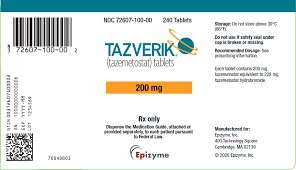
Resistance mechanisms may appear in clinical studies of tazerestat . The W113C mutation leads to H3K27 methylation and tazerestat resistance in tumor proliferation. Combining tazerestat with other anticancer drugs may be an effective strategy. Combination drugs can act on tumor cells through different mechanisms and reduce the risk of drug resistance. The treatment cycle of tazerestat can be adjusted based on patient response and tolerability. For example, intermittent treatment, in which treatment is stopped for a period of time and then restarted, can reduce the occurrence of drug resistance.
The original drug of tazerestat is not yet available in the domestic market and is therefore not included in medical insurance. Tazerestat US version of the original drug, specification200mg*240 tablets, which is marketed overseas, may cost around 200,000 yuan per bottle (the price may fluctuate due to exchange rates), which is very expensive. At present, there are no generic drugs of tazerestat produced and launched. For more drug information and specific prices, please consult the medical consultant of the drug.
[ 免责声明 ] 本页面内容来自公开渠道(如FDA官网、Drugs官网、原研药厂官网等),仅供持有医疗专业资质的人员用于医学药学研究参考,不构成任何治疗建议或药品推荐。所涉药品可能未在中国大陆获批上市,不适用于中国境内销售和使用。如需治疗,请咨询正规医疗机构。本站不提供药品销售或代购服务。


