
.jpeg)
Duvelisib side effects
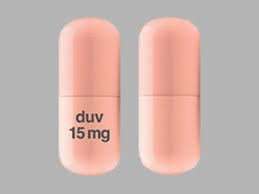
Duvelisib is an anti-cancer drug used to treat certain types of lymphoma, and it has a range of possible side effects. Patients should pay close attention to these potential adverse reactions when receiving duvelisel treatment and report them to their doctors in a timely manner so that they can be effectively managed and relieved. Here is more information about the possible side effects of duvelisel:
Common side effects:
1.Infection: Duvelisel may cause suppression of the immune system and increase the risk of infection. Patients may be susceptible to infections such as upper respiratory tract infections, urinary tract infections, fungal infections, etc.
2.Nausea and Vomiting: Some patients may experience nausea and vomiting during treatment, which can affect appetite and eating habits.
3.Diarrhea: Diarrhea is one of the common side effects of duveliside and may affect the patient's quality of daily life.
4.Skin reactions: Skin problems such as itching, rashes and dry skin may occur.
5.Fatigue: During treatment, some patients may experience fatigue and weakness.
Serious side effects:
In addition to common side effects, duveliced may also cause some serious adverse reactions, and patients need to notify their doctor immediately:
1.Pneumonia: Severe pneumonia is a serious adverse reaction, and patients may experience shortness of breath, cough, chest pain and other symptoms.
2.Liver damage: Duveliced may cause abnormal liver function, manifested as jaundice, nausea, vomiting, abdominal pain, etc.
3.Intestinal inflammation: Some patients may develop intestinal inflammation, manifesting as diarrhea, abdominal pain, intestinal bleeding, etc.
4.Hypertension: Some patients may develop high blood pressure during treatment, so blood pressure needs to be monitored regularly.
5.Pulmonary arterial hypertension (PAH): In rare cases, duvelised may cause PAH, a cardiovascular disease characterized by shortness of breath, chest pain, edema, and more.
6.Autoimmune diseases: Duveliced may cause autoimmune diseases, such as autoimmune hepatitis, hemolytic anemia, etc.
Patients should work closely with their physician during treatment with duvelisel and promptly report any discomfort or abnormal symptoms. Your doctor will decide on a patient-specific basis whether you need to continue treatment, reduce the dose, or take other steps to manage side effects. In addition, patients need regular laboratory tests to monitor potential toxic side effects and ensure the safety of treatment.
In summary, duvelised, as an anticancer drug, may cause a range of side effects, ranging from common mild discomfort to potentially serious reactions. Patients should receive treatment under the guidance of a doctor and actively report any abnormal symptoms so that timely intervention and side effects can be managed. This helps ensure that patients maintain a good quality of life while receiving treatment.
The original drug of Duvelisel Capsules has been launched in China, but it is not covered by medical insurance. Patients can buy it domestically at a price of more than 20,000 yuan. For specific prices, please consult the local hospital pharmacy.
[ 免责声明 ] 本页面内容来自公开渠道(如FDA官网、Drugs官网、原研药厂官网等),仅供持有医疗专业资质的人员用于医学药学研究参考,不构成任何治疗建议或药品推荐。所涉药品可能未在中国大陆获批上市,不适用于中国境内销售和使用。如需治疗,请咨询正规医疗机构。本站不提供药品销售或代购服务。


