
.jpeg)
Effect of Duvelisib in the treatment of T-cell lymphoma
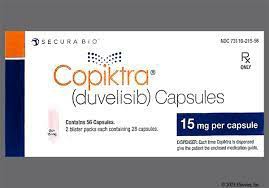
Duvelisib is a PI3K inhibitor used to treat certain types of lymphoma, including adults
Clinical trial background:
The clinical trial of duveliside is designed to evaluate its therapeutic efficacy and safety in T cell lymphoma. These trials typically include multiple clinical phases, from early safety and tolerability studies to later efficacy studies.
Early phase clinical trials:
Early-stage clinical trials focus on the drug's safety and tolerability. These trials typically include small numbers of patients and are designed to determine the appropriate dose of the drug and assess potential adverse effects. In these early trials, duvelised showed some efficacy and patients were able to tolerate the drug.
Late-stage clinical trials:
Following the success of early-stage trials, duveliside has entered larger, late-stage clinical trials. These trials typically include hundreds of patients divided into treatment and control groups to evaluate the efficacy of duveliside. Researchers measured various efficacy endpoints such as survival, progression-free survival (PFS), overall survival (OS), and clinical response rates.
Treatment effect:
According to clinical trial data, duvelised has shown certain efficacy in the treatment ofT cell lymphoma. Specific effects may vary depending on the type of disease and individual patient differences, but here are some common efficacy results:
1.Progression-free survival (PFS) is extended: PFS is a key indicator to measure the effect of treatment, which reflects the time that patients do not experience disease progression. Duvelised use is generally associated with prolongation of PFS.
2.Overall survival (OS) improvement: For some patients with T cell lymphoma, duveliside may also improve overall survival. This means patients may live longer.
3.Improved clinical response rate: Data from clinical trials also show that duvelised can lead to a clinical response, including partial or complete remission, in a certain proportion of patients.
4.Improvement in quality of life: In addition to direct therapeutic effects, duveliced may also improve patients' quality of life and reduce symptoms and discomfort.
Security:
Clinical trial data also provide information on the safety of duvelised. These data help doctors and patients understand potential adverse effects and risks. Although duveliced u200bu200bhas shown certain efficacy in the treatment of Tcell lymphoma, it may also cause some side effects, such as infection, nausea, diarrhea, skin reactions, etc.
Treatment prospects:
Duveliced, as a therapeutic drug for T cell lymphoma, provides patients with a new treatment option. However, treatment effects may vary from person to person, so doctors will decide whether to use duveliside based on the patient's specific situation and type of disease.
In summary, duveliced is a drug used to treat T cell lymphoma, and clinical trial data shows that it shows certain therapeutic effects in some patients. However, patients should receive treatment under the supervision of a physician to individualize treatment plans and undergo regular medical monitoring to ensure the safety and effectiveness of treatment. For patients with TT cell lymphoma, duveliside represents a treatment option that has the potential to improve survival and quality of life.
The original drug of Duvelisel Capsules has been launched in China, but it is not covered by medical insurance. Patients can buy it domestically at a price of more than 20,000 yuan. For specific prices, please consult the local hospital pharmacy.
[ 免责声明 ] 本页面内容来自公开渠道(如FDA官网、Drugs官网、原研药厂官网等),仅供持有医疗专业资质的人员用于医学药学研究参考,不构成任何治疗建议或药品推荐。所涉药品可能未在中国大陆获批上市,不适用于中国境内销售和使用。如需治疗,请咨询正规医疗机构。本站不提供药品销售或代购服务。


