
.jpeg)
What are the precautions for Ruxolitinib cream?
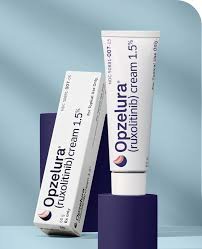
During clinical studies of Ruxolitinib cream, warnings and precautions such as serious infections, malignancies and lymphoproliferative disorders, adverse cardiovascular events, thrombosis, thrombocytopenia, anemia and neutropenia, elevated blood lipids, and hepatitis B and C may have occurred, which may be related to Ruxolitinib.
1. Severe infection: Ruxolitinib cream containsruxolitinib. , which belongs to a class of drugs called Janus kinase (JAK) inhibitors. JAK inhibitors are drugs that affect the immune system. JAK inhibitors reduce the immune system's ability to fight infection. Some people have developed serious infections while taking JAK inhibitors by mouth, including tuberculosis (TB), infections caused by bacteria, fungi, or viruses that can spread throughout the body. Some people have been hospitalized or died from these infections. Discontinue ruxolitinib cream if the patient develops a serious infection, opportunistic infection, or sepsis and should not be used in patients with an active serious infection (including local infections).
2. Malignant tumors and lymphoproliferative diseases: Patients treated with ruxolitinib cream have experienced non-melanoma skin cancers, including basal cell carcinoma and squamous cell carcinoma. Perform regular skin examinations during treatment with ruxolitinib cream and during appropriate follow-up treatments. Exposure to sunlight and UV rays should be limited by wearing protective clothing and using broad-spectrum sunscreen.
3. Major adverse cardiovascular events (MACE): defined as cardiovascular death, nonfatal myocardial infarction (MI), and nonfatal stroke; before initiating or continuing treatment with ruxolitinib cream, consider the benefits and risks of the individual patient, especially patients who are current or past smokers and patients with other cardiovascular risk factors. Patients should be informed of the symptoms of serious cardiovascular events and what to do if they occur. Patients who have had a myocardial infarction or stroke should discontinue use of ruxolitinib cream.
4. Thrombosis: Thrombosis, including deep vein thrombosis (DVT), pulmonary embolism (PE), and arterial thrombosis, has been reported in patients receiving JAK inhibitors for the treatment of inflammatory diseases. Many of these adverse reactions are serious, and some result in death. Ruxolitinib cream should be avoided in patients with an increased risk of thrombosis. If symptoms of thrombosis occur, discontinue ruxolitinib cream and have the patient evaluated and treated appropriately.
5. Thrombocytopenia, Anemia, and Neutropenia: Consider the benefits and risks in patients with a known history of these events before initiating treatment with ruxolitinib cream. Complete blood count monitoring is performed as clinically indicated. Patients should discontinue ruxolitinib cream if signs and/or symptoms of clinically significant thrombocytopenia, anemia, and neutropenia occur.
6. Increased blood lipids: Patients treated with ruxolitinib orally are associated with an increase in blood lipid parameters, including total cholesterol, low-density lipoprotein (LDL) cholesterol and triglycerides.
7. Hepatitis B and C: The impact of Janus kinase inhibitors (including ruxolitinib) used to treat inflammation on reactivation of chronic viral hepatitis is unclear. Patients with a history of hepatitis B or hepatitis C infection were excluded from clinical trials. Increases in hepatitis B viral load (HBV-DNA titers) with or without associated elevations in alanine aminotransferase and aspartate aminotransferase have been reported in patients with chronic HBV infection taking oral ruxolitinib. Ruxolitinib cream is not recommended for patients with active hepatitis B or hepatitis C.
[ 免责声明 ] 本页面内容来自公开渠道(如FDA官网、Drugs官网、原研药厂官网等),仅供持有医疗专业资质的人员用于医学药学研究参考,不构成任何治疗建议或药品推荐。所涉药品可能未在中国大陆获批上市,不适用于中国境内销售和使用。如需治疗,请咨询正规医疗机构。本站不提供药品销售或代购服务。


