
.jpeg)
What are the precautions for Pexidartinib?
In clinical studies of Pexidartinib , warnings and precautions such as hepatotoxicity and embryo-fetal toxicity have emerged. Monitor liver tests prior to initiatingpexidartinib and at designated intervals during treatment. Depending on the severity of hepatotoxicity, discontinue, reduce dose, or permanently discontinue pexidartinib. Pesidatinib is only available through a restricted program calledthe Pesidartinib Risk Evaluation and Mitigation Strategy (REMS) Program.
1. Hepatotoxicity: Pesidartinib can cause severe and potentially fatal liver damage and is only available through the Restricted Program under Risk Assessment and Mitigation Strategies (REMS). Patients treated with pesidartinib developed hepatotoxicity, accompanied by cholestasis and reduced bile ducts. One patient in the clinical trial died of advanced cancer and ongoing liver toxicity, and one patient required a liver transplant. The mechanisms of cholestatic hepatotoxicity are unknown and their occurrence cannot be predicted. It is unknown whether liver injury can occur in the absence of elevated transaminases. Pesidartinib should be avoided in patients with elevated serum aminotransferases; total or direct bilirubin (>ULN); or active hepatic or biliary disease, including increased serum alkaline phosphatase (ALP).
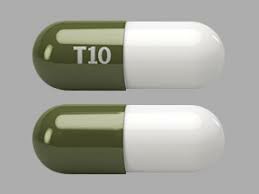
Taking pesidartinib with food increases drug exposure by 100% and may increase the risk of hepatotoxicity. Take pesidartinib on an empty stomach, 1 hour before or 2 hours after a meal. Before starting pexidartinib, monitor liver tests, including aspartate aminotransferase (AST), alanine aminotransferase (ALT), total bilirubin, direct bilirubin, serum alkaline phosphatase (ALP), and gamma-glutamyl transferase (GGT), weekly for the first 8 weeks, every 2 weeks for the next month, and every 3 months thereafter. Rechallenge with reduced doses of pesidartinib may result in recurrence of elevations in serum aminotransferases, bilirubin, orALP. Monitor liver tests weekly for the first month after rechallenge.
2. Embryo-Fetal Toxicity: Based on animal studies and its mechanism of action, pexidartinib taken by pregnant women may cause harm to the fetus. Based on the area under the curve (AUC), oral administration of pesidartinib to pregnant rats and rabbits during organogenesis resulted in malformations, increased postimplantation losses, and miscarriage, including absent kidneys or ureters, residual kidneys, malformed or malpositioned kidneys, rib abnormalities, and skeletal variations of the paracranium, exposures approximately equal to human exposure at the recommended dose of 800 mg. Inform pregnant women of potential risks to the fetus. Advise females of reproductive potential to use effective non-hormonal contraceptives as pexidartinib may render hormonal contraceptives ineffective. Advise men who are partners of a female of reproductive potential to use effective contraception during treatment and for 1 week after the last dose.
There is less information on the price of pexidartinib after it is launched. For more drug information and specific prices, please consult the medical consultant.
[ 免责声明 ] 本页面内容来自公开渠道(如FDA官网、Drugs官网、原研药厂官网等),仅供持有医疗专业资质的人员用于医学药学研究参考,不构成任何治疗建议或药品推荐。所涉药品可能未在中国大陆获批上市,不适用于中国境内销售和使用。如需治疗,请咨询正规医疗机构。本站不提供药品销售或代购服务。


