
.jpeg)
What are the precautions for Ado-trastuzumab emtansine?
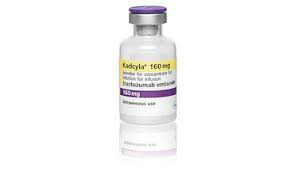
In clinical studies of Ado-trastuzumab emtansine, warnings and precautions such as hepatotoxicity, left ventricular dysfunction, embryo-fetotoxicity, pulmonary toxicity, infusion-related reactions, allergic reactions, bleeding, thrombocytopenia, neurotoxicity, extravasation, etc. have emerged, which may require temporary interruption, dose reduction or discontinuation of Ado-trastuzumab emtansine treatment.
1. Hepatotoxicity: Mainly manifested by asymptomatic transient increases in serum aminotransferase concentrations. All deaths occurred in the metastatic breast cancer clinical trials of trastuzumab, including severe drug-induced liver injury and related hepatic encephalopathy. Monitor serum aminotransferases and bilirubin before initiating treatment with trastuzumab and before each dose. In the event of an increase in serum aminotransferases and/or total bilirubin, reduce the dose or discontinue trastuzumab as appropriate. For patients with serum aminotransferase>3×ULN and total bilirubin >2×ULN, permanently discontinue treatment. Once nodular regenerative hyperplasia of the liver (NRH) is diagnosed, treatment with trastuzumab must be permanently discontinued.
2. Left ventricular dysfunction: A decrease in LVEF to <40% was observed in patients treated with trastuzumab. Severe cases of heart failure, but no fatal cases, were observed in clinical trials. For patients with metastatic breast cancer, if during routine surveillance, LVEF is <40%, or is 40%-45% and has an absolute decline of 10% or more from pre-treatment, discontinue trastuzumab and repeat LVEF assessment in approximately 3 weeks. For patients with early-stage breast cancer, if during routine monitoring, LVEF is <45%, or is 45%-49% and has an absolute decline of 10% or more from pre-treatment, discontinue trastuzumab and repeat LVEF assessment in approximately 3 weeks. If LVEF does not improve or decreases further, permanently discontinue trastuzumab.
3. Embryo-fetal toxicity: Pregnant women taking trastuzumab will cause harm to the fetus. In the postmarketing setting, cases of oligohydramnios and sequences of oligohydramnios manifesting as pulmonary hypoplasia, skeletal abnormalities, and neonatal death have been observed in the postmarketing setting in patients treated with trastuzumab (the antibody component of trastuzumab). DM1 is the cytotoxic component of Trastuzumab Envir and, according to its mechanism of action, can cause embryonic-fetotoxicity.
Verify pregnancy status in females of reproductive potential before initiating trastuzumab. Inform pregnant women and females of reproductive potential that exposure to trastuzumab during pregnancy or within 7 months before conception can cause fetal harm. Advise females of reproductive potential to use an effective method of contraception during treatment and for 7 months after the last dose of trastuzumab.
4. Pulmonary toxicity: Cases of interstitial lung disease (ILD), including pneumonia, have been reported in clinical trials, some resulting in acute respiratory distress syndrome or fatal outcomes. Signs and symptoms include dyspnea, cough, fatigue, and pulmonary infiltrates. Permanently discontinue trastuzumab treatment in patients diagnosed with ILD or pneumonia. For patients with radiation pneumonitis receiving adjuvant therapy, trastuzumab should be permanently discontinued in patients with grade ≥3 or grade 2 who are unresponsive to standard therapy. The risk of pulmonary toxicity may be increased in patients with resting dyspnea due to complications of advanced malignancy, comorbidities, and concurrent pulmonary radiation therapy.
5. Infusion-related reactions (IRRS), allergic reactions: Infusion-related reactions characterized by one or more of the following symptoms have been reported in clinical trials: flushing, chills, fever, dyspnea, hypotension, wheezing, bronchospasm, and tachycardia. In most patients, these reactions resolve within a few hours to a day after the infusion is terminated. Trastuzumab treatment should be discontinued in patients with severe IRR. If life-threatening IRR occurs, trastuzumab treatment should be permanently discontinued. Patients should be closely observed for IRR response, especially during the first infusion.
6. Bleeding: In clinical trials, cases of bleeding events have been reported, including bleeding from the central nervous system, respiratory system, and gastrointestinal tract. Some of these hemorrhagic events have resulted in fatal outcomes. Although in some of the observed cases the patients were also receiving anticoagulant therapy, antiplatelet therapy or had thrombocytopenia, in other cases there were no other known risk factors. Use these drugs with caution and consider additional monitoring if concurrent use is medically necessary.
7. Thrombocytopenia: Thrombocytopenia or reduced platelet count has been reported in clinical trials, with the majority of these patients experiencing grade 1 or 2 events (
8. Neurotoxicity: Peripheral neuropathy has been reported in clinical studies, mainly grade 1, mainly sensory neuropathy. For patients with grade 3 or 4 peripheral neuropathy, trastuzumab should be temporarily discontinued until remission to grade ≤ 2. Patients should be continuously monitored clinically for signs or symptoms of neurotoxicity.
9. Extravasation: In clinical studies, secondary reactions to extravasation have been observed. These reactions are observed more frequently within 24 hours of infusion and are usually mild and include erythema, tenderness, skin irritation, pain, or swelling at the infusion site. The specific treatment of trastuzumab extravasation is unknown. During administration, the infusion site should be closely monitored to prevent possible subcutaneous penetration.
EnmetratrastuzThe monoclonal antigen drug has been launched in China and has entered the scope of medical insurance. Only eligible patients can be reimbursed. SpecificationsThe price of each box of 100mg may be around RMB 20,000. This drug is a strictly controlled drug. Listed overseas Enmei Trastuzumab The single-unit generic drug has Turkish and European versions, with specifications The price of each box of 100 mg may be around 3,000-8,000 yuan (the price may fluctuate due to the exchange rate). The ingredients of the originator drugs sold domestically and abroad are basically the same, and there are currently no generic versions of Enmei Trastuzumab produced and launched.
[ 免责声明 ] 本页面内容来自公开渠道(如FDA官网、Drugs官网、原研药厂官网等),仅供持有医疗专业资质的人员用于医学药学研究参考,不构成任何治疗建议或药品推荐。所涉药品可能未在中国大陆获批上市,不适用于中国境内销售和使用。如需治疗,请咨询正规医疗机构。本站不提供药品销售或代购服务。


