
.jpeg)
How long does it take for dabrafenib to take effect?
Dabrafenib (Dabrafenib) is a drug used to treat patients with BRAF Targeted therapeutic drugs for malignant melanoma (MM) and non-small cell lung cancer (NSCLC) with V600E or V600K gene mutations. The effect of treatment is often affected by a variety of factors, including the patient's tumor type, disease stage, genetic variation, and individual differences. The following is an overview of the general timeline for the onset of treatment effects of dabrafenib:
1. Initial response (Weeks): In the early stages of starting dabrafenib treatment, some patients may observe that parts of the tumor shrink or stop growing within a few weeks. This initial response may manifest as a reduction in symptoms, such as pain reduction or disappearance, improvement of skin lesions, etc. However, each patient's response time may vary, and some may take longer to see noticeable results.
2. Intermediate response (Months): As treatment continues, some patients may experience more significant tumor shrinkage and symptom relief within a few months. The treatment effect at this stage may be more stable, and the tumor burden may continue to be reduced. Doctors typically evaluate the effectiveness of treatment through regular imaging tests (such as CT scans or MRIs) and other biological markers.
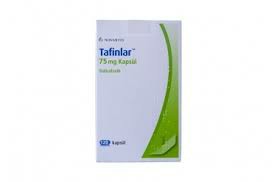
3. Long-term response (Years): Some patients may maintain good efficacy during the long-term course of dabrafenib treatment. In these cases, the tumor may remain shrinking or stabilize, and the patient's quality of life may improve significantly. However, not all patients are able to maintain stable treatment effects in the long term, as some tumors may gradually develop resistance to dabrafenib.
4. Resistance and progressive disease (Varies): Resistance is an important consideration in dabrafenib treatment. Some patients may experience tumor progression after a period of treatment, manifested by an increase in tumor burden or the emergence of new lesions. This may be because tumors develop resistance to dabrafenib, resulting in reduced efficacy of treatment. In this case, doctors may need to re-evaluate treatment options and consider other treatment options, which may include combining medications, switching to a different targeted agent, or other treatment strategies.
Overall, the effectiveness of dabrafenib varies among patients. Some patients may see significant results within a short period of time, while others may take longer. The process of monitoring and adjusting your treatment plan is dynamic and requires close collaboration with your physician to ensure optimal treatment outcomes. At the same time, the patient's overall health, tolerance of treatment, and other factors may also affect the effectiveness of treatment. Therefore, each patient's course of treatment should be individualized and based on a thorough assessment and professional medical advice.
Dabrafenib is already on the market in China and has been included in medical insurance. Patients can buy it domestically. The price is about 10,000 yuan in China. The price is still relatively expensive. Please consult the local hospital pharmacy for specific prices. Dabrafenib, which is relatively cheap abroad, is mainly a generic drug, mainly a Laotian generic drug. The price is about two to three thousand yuan, which is much cheaper than domestic drugs. The ingredients of foreign generic drugs and domestic original drugs are basically the same.
[ 免责声明 ] 本页面内容来自公开渠道(如FDA官网、Drugs官网、原研药厂官网等),仅供持有医疗专业资质的人员用于医学药学研究参考,不构成任何治疗建议或药品推荐。所涉药品可能未在中国大陆获批上市,不适用于中国境内销售和使用。如需治疗,请咨询正规医疗机构。本站不提供药品销售或代购服务。


