
.jpeg)
What should I do if I become resistant to dabrafenib?
Dabrafenib (Dabrafenib) is a BRAF kinase inhibitor used to treat patients with BRAF V600E or V600K gene mutation malignant melanoma (MM) and non-small cell lung cancer (NSCLC). However, like many targeted therapies, long-term use can lead to patient resistance to the drug, meaning the drug is no longer effective in inhibiting the growth of cancer cells. The following is a discussion of possible causes of dabrafenib resistance and strategies to combat it:
1. Resistance mechanism: The development of dabrafenib resistance is a complex process that may involve multiple factors. Some of the possible mechanisms include new mutations in the BRAF gene (such as the mutated subtype of BRAF V600E/K), activation of the RAS pathway, changes in cell signaling pathways, immune evasion, etc. These changes allow cancer cells to bypass the inhibitory effects of dabrafenib and continue to grow and spread.
2. Confirm drug resistance: During the treatment process, it is very important to confirm drug resistance in time. Doctors usually evaluate the effectiveness of treatment based on the patient's condition and imaging tests, such as a CT scan or an MRI. If a patient's disease progresses during treatment, doctors may suspect possible drug resistance.
3. Management strategies for drug resistance:
Management strategies for dabrafenib resistance include:
a. Re-evaluate diagnosis: Before confirming drug resistance, doctors may re-evaluate the patient's pathological diagnosis to ensure that the patient's condition still meets the indications for dabrafenib.
b. Molecular biomarker testing: Molecular biomarker testing is performed on patients to determine whether new BRAF mutations or changes in other related signaling pathways have occurred. This could help doctors better understand the mechanisms of resistance and inform subsequent treatment options.
c. Switch to other treatment options: If the patient develops drug resistance, the doctor may consider switching to other treatment options, which may be other targeted therapies, immunotherapy, chemotherapy, etc. Treatment selection will be an individualized decision based on the patient's specific circumstances and available treatment options.
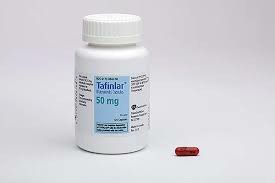
4. Combination therapy strategy: A common strategy to deal with drug resistance is to use combination therapy. Combining dabrafenib with other drugs, such as the MEK inhibitor trametinib, may have better efficacy than monotherapy. This combination therapy can simultaneously inhibit the BRAF/MEK signaling pathway and reduce the risk of drug resistance development.
5. Clinical trials and new drug research: Participating in clinical trials is a way to find new treatment strategies. Many studies are exploring novel BRAF inhibitors, combination treatment regimens, and other targeted agents to address dabrafenib resistance. Patients may sometimes be invited to participate in these trials to learn about the latest treatment options.
6. Communication and support: Communication between patients and doctors is crucial. Patients should promptly report any changes in symptoms and follow their doctor's advice closely. Doctors will continue to monitor the patient's condition and adjust treatment to minimize progression.
7. Mental health and support: Confronting drug resistance can have an impact on a patient’s mental health. At this time, patients may need professional mental health support, working closely with their doctor, family, and support team to develop a treatment plan tailored to the individual situation.
Overall, the management of dabrafenib resistance is a dynamic process that requires comprehensive consideration of the patient's condition, molecular characteristics, available treatment options, and the latest advances in scientific research. Patients should actively cooperate with their medical teams when facing drug resistance to find the best treatment strategies to maintain effective control of cancer and improve quality of life.
Dabrafenib is already on the market in China and has been included in medical insurance. Patients can buy it domestically. The price is about 10,000 yuan in China. The price is still relatively expensive. Please consult the local hospital pharmacy for specific prices. Dabrafenib, which is relatively cheap abroad, is mainly a generic drug, mainly a Laotian generic drug. The price is about two to three thousand yuan, which is much cheaper than domestic drugs. The ingredients of foreign generic drugs and domestic original drugs are basically the same.
[ 免责声明 ] 本页面内容来自公开渠道(如FDA官网、Drugs官网、原研药厂官网等),仅供持有医疗专业资质的人员用于医学药学研究参考,不构成任何治疗建议或药品推荐。所涉药品可能未在中国大陆获批上市,不适用于中国境内销售和使用。如需治疗,请咨询正规医疗机构。本站不提供药品销售或代购服务。


