
.jpeg)
What should I do if I become resistant to Acalabrutinib?
Acalabrutinib (Acalabrutinib) is a BTK inhibitor that is widely used in the treatment of B cell-related diseases, such as chronic lymphocytic leukemia (CLL). Although acotinib has shown significant efficacy in many patients, drug resistance remains a possible challenge. Drug resistance refers to the gradual loss of sensitivity of patients to drug treatment, resulting in weakened or ineffective treatment effects. Possible mechanisms of acotinib resistance and strategies to deal with this problem are discussed below.
Acotinib resistance mechanism:
1.BTKMutation: BTK is the main target of acotinib, and its mutation may cause the drug to lose affinity for it. This mutation may have accumulated gradually through genetic mutations.
2.BCell signaling pathway mutations: In addition to BTK, mutations in other molecules or pathways related to B cell signaling may also lead to drug resistance. This includes pathways such as PI3K-AKT and NF-κB.
3.Immune evasion mechanism: Some leukemia cells may develop drug resistance by changing their immunogenicity or evading attack by the host immune system.
4.Microenvironmental impact: Changes in the tumor microenvironment, such as changes in cytokines and the interaction between tumor cells and their surrounding environment, may also lead to the development of drug resistance.
Coping strategies:
1.Molecular monitoring: Regular molecular monitoring is critical for patients receiving acotinib. By monitoring gene mutations inBTKand other related signaling pathways, signs of drug resistance can be detected earlier.
2.Combination treatment: Consider a combination treatment strategy, that is, using multiple target drugs or combined immunotherapy at the same time to prevent or delay the development of drug resistance. This can improve the overall effectiveness of treatment by inhibiting multiple signaling pathways simultaneously.
3.Individualized treatment: Based on the specific pathological characteristics and molecular phenotype of the patient, individualized treatment options may be more effective. Precision medicine methods can help doctors better understand a patient's disease biology and develop more precise treatment plans.
4.Drug innovation: Actively search for newBTK inhibitors or other target drugs to deal with the problem of drug resistance. Drug innovation can be achieved through the development of more selective and efficient drugs, as well as research on new targets.
5.Clinical trials and research: Actively participate in and support relevant clinical trials to evaluate the efficacy and safety of new treatments. The collaborative efforts of researchers and medical professionals are key to advancing the field of leukemia treatment.
6.Monitoring and management: For patients who develop drug resistance, closely monitor the development of the disease and adjust the treatment plan in a timely manner. Comprehensive management includes supportive therapy, nutritional support, psychological support, etc., which helps improve the patient's quality of life.
When facing the challenge of acotinib resistance, comprehensive treatment strategies and continuous innovative research are key. The medical community needs to continue to work hard to provide more effective and personalized treatment options to help patients better cope with diseases such as leukemia.
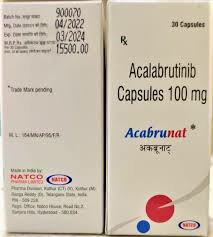
Acotinib has been launched in China, but it has not yet been included in medical insurance. Since it has just been launched, it is still difficult for patients to purchase it domestically. They need to purchase acotinib through overseas channels. The cheaper ones abroad are mainly generic drugs, mainly Bangladeshi generic drugs. The price is around 6,000 to 7,000, and the ingredients of original drugs and generic drugs are basically the same.
[ 免责声明 ] 本页面内容来自公开渠道(如FDA官网、Drugs官网、原研药厂官网等),仅供持有医疗专业资质的人员用于医学药学研究参考,不构成任何治疗建议或药品推荐。所涉药品可能未在中国大陆获批上市,不适用于中国境内销售和使用。如需治疗,请咨询正规医疗机构。本站不提供药品销售或代购服务。


