
.jpeg)
Acalabrutinib resistance management
Acalabrutinib (Acalabrutinib) is an effective B inhibitor of BTK for the treatment of B cell-related diseases, but drug resistance is a complex phenomenon that may occur. Drug resistance may occur during treatment, causing originally effective drugs to gradually lose their efficacy, thus negatively affecting patient treatment. Faced with this problem, scientific researchers and medical professionals are committed to finding effective drug resistance treatment strategies to ensure that patients can obtain the best treatment results.
Strategies for dealing with acotinib resistance:
1.Molecular monitoring and early intervention: Through regular molecular monitoring, mutations in BTK or other related signaling pathways can be detected early, which provides opportunities for early intervention. Once signs of resistance are discovered, the medical team can take appropriate measures, such as adjusting treatment regimens or introducing new treatments.
2.Individualized treatment plan: Developing an individualized treatment plan for each patient's specific situation is the key. Developing more targeted treatment plans that take into account a patient's genetic variation, disease molecular subtypes, and other individual differences can improve the effectiveness of treatment and reduce the risk of drug resistance.
3.Combination treatment strategy: Consider combination treatment, that is, the combined use of multiple target drugs or immunotherapy to increase the comprehensiveness of treatment. By acting on different signaling pathways simultaneously, the development of drug resistance can be slowed and the durability of treatment improved.
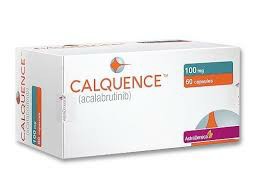
4.Drug innovation and new typesBTKinhibitors: Continuously promoting drug innovation is an important means to combat drug resistance. Developing more selective BTK inhibitors or exploring new therapeutic targets is expected to provide new treatment options, especially for patients who are resistant to traditional BTK inhibitors.
5.Integration of immunotherapy: Consider integrating immunotherapy into your treatment regimen to enhance the recognition and attack of cancer cells by the host immune system. Immunotherapy may help improve treatment outcomes and reduce the risk of drug resistance.
6.Participation in clinical trials: Encourage patients to participate in relevant clinical trials to obtain the latest treatment information and try new treatments. Clinical trials are key to advancing medical progress and providing patients with the opportunity to expand treatment options.
7.Patient education and psychological support: In the treatment process, the patient's active participation is crucial. Educating patients about the possible risks and benefits of medication, as well as how to monitor and report any potential side effects, can help improve patient compliance with treatment. In addition, providing psychological support to help patients face the uncertainty and stress during treatment can help maintain a good psychological state.
When dealing with acotinib resistance, it is crucial to develop a multi-level and multi-faceted treatment strategy that takes into account individual patient differences, pathological characteristics and the latest scientific research progress. Through continued research and innovation, we can continuously improve our ability to deal with drug resistance and provide patients with more effective and durable treatment options.
Acotinib has been launched in China, but it has not yet been included in medical insurance. Since it has just been launched, it is still difficult for patients to purchase it domestically. They need to purchase acotinib through overseas channels. The cheaper ones abroad are mainly generic drugs, mainly Bangladeshi generic drugs. The price is around 6,000 to 7,000, and the ingredients of original drugs and generic drugs are basically the same.
[ 免责声明 ] 本页面内容来自公开渠道(如FDA官网、Drugs官网、原研药厂官网等),仅供持有医疗专业资质的人员用于医学药学研究参考,不构成任何治疗建议或药品推荐。所涉药品可能未在中国大陆获批上市,不适用于中国境内销售和使用。如需治疗,请咨询正规医疗机构。本站不提供药品销售或代购服务。


