
.jpeg)
Acalabrutinib vs. Axitinib
Acalabrutinib and axitinib (Axitinib) are two different drugs used to treat different types of diseases. Let’s compare these two drugs in depth, including their pharmacology, indications, side effects, and clinical applications.
1.Pharmacological comparison
Acalabrutinib (Acalabrutinib):
Category:BTKinhibitors.
Mechanism of action: By inhibiting BTK, acotinib affects the signaling pathway of B cells and is mainly used to treat B cell lymphoma, especially in adults with chronic lymphocytic leukemia (CLL).
Axitinib (Axitinib):
Category: Multi-target tyrosine kinase inhibitors, mainly acting on vascular endothelial growth factor receptors (VEGFRs).
Mechanism of action: By inhibitingVEGFRs, axitinib blocks the signaling pathways of tumor growth and new blood vessel formation, and is mainly used to treat renal cell carcinoma.
2.Comparison of indications
Acotinib: Mainly used for the treatment ofB cell lymphoma, especially adult CLL. It has demonstrated significant efficacy in BB cell lymphoma, especially for patients who have had poor response to or intolerance to traditional treatments.
Axitinib: Mainly used to treat advanced renal cell carcinoma, usually as part of targeted therapy. It has shown good effects in inhibiting tumor growth and angiogenesis, and is usually used as a monotherapy or in combination with immunotherapy, etc.
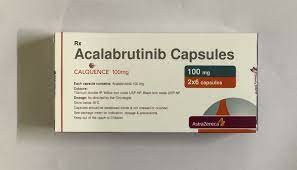
3.Side Effect Comparison
Acotinib:
Common side effects: headache, high blood pressure, anemia, etc. Because of its targeted nature, acotinib's side effects are relatively mild and can generally be better managed under physician supervision.
Axitinib:
Common side effects: high blood pressure, hand-foot syndrome (redness, swelling, pain in hands and feet), proteinuria, etc. Although some side effects may occur, axitinib is generally well tolerated by patients.
4.Clinical Application Comparison
Acotinib: shows good efficacy in the treatment ofB cell lymphoma. It is suitable for patients who have not responded well to or cannot tolerate traditional treatments.
Axitinib: widely used in the treatment of advanced renal cell carcinoma. It is often used in combination regimens of targeted therapies, and may also be used in combination with immunotherapy, etc.
To sum up, acotinib and axitinib are two different types of drugs, used to treat different types of cancer. Axitinib is mainly a BTK inhibitor and is suitable for B cell lymphoma, while axitinib is a multi-target tyrosine kinase inhibitor mainly used for advanced renal cell carcinoma. Although they differ in pharmacology, indications, and side effects, they all show significant efficacy in their respective fields. The final treatment choice should be determined by the physician based on the patient's specific situation and disease characteristics.
[ 免责声明 ] 本页面内容来自公开渠道(如FDA官网、Drugs官网、原研药厂官网等),仅供持有医疗专业资质的人员用于医学药学研究参考,不构成任何治疗建议或药品推荐。所涉药品可能未在中国大陆获批上市,不适用于中国境内销售和使用。如需治疗,请咨询正规医疗机构。本站不提供药品销售或代购服务。


