
.jpeg)
What drug should I switch to if I am resistant to Acalabrutinib?
Acalabrutinib is a BTK inhibitor used to treat B cell lymphoma, specifically in adults with chronic lymphocytic leukemia (CLL). However, drug resistance is one of the common problems faced by current targeted drug treatments. When a patient develops resistance to acotinib, doctors need to re-evaluate the treatment plan and select an appropriate alternative drug or treatment strategy. The causes of acotinib resistance and possible alternative treatment options are discussed below.
Causes of acotinib resistance:
1.BTKMutation: Long-term use of BTK inhibitors may lead to mutations in the BTK gene, causing the drug to lose its effective inhibitory effect.
2.Microenvironmental factors: The microenvironment of lymphoma may change, prompting cancer cells to adopt drug resistance strategies, such as through activation or inhibition of pathways, thus weakening the efficacy of acotinib.
3.Immune evasion: Acotinib may affect the interaction between the immune system and lymphoma, and lymphoma may evade immune attack by changing its surface antigens and other ways.
4.Changes in drug metabolism: The drug metabolism in patients may change, causing the concentration of acotinib to be insufficient to effectively inhibit the growth of lymphoma cells.
Alternative Treatment Options:
1.OtherBTK inhibitors: ibrutinib (Ibrutinib): Ibrutinib is another BTK inhibitor that may be an alternative option for acotinib-resistant patients. However, since they belong to the same class of drugs, resistance may be shared between classes of drugs. Therefore, treatment response should be carefully monitored when switching to ibrutinib.
2.PI3KInhibitor:Idelalisib: PI3K (Phosphatidylinositol3kinase) inhibitors such as Idelalisibmay be effective in some cases in patients with B cell lymphoma, especially if BTK inhibitors fail. However, their use can be accompanied by a range of side effects, requiring patients and doctors to weigh the pros and cons.
3.CAR-TCell therapy:Axicabtagene ciloleucel (Yescarta): CAR-Tcell therapy is a new type of immunotherapy that attacks lymphoma cells by modifying the patient's own T cells. For drug-resistant lymphomas, CAR-T cell therapy may offer a potential treatment option, but it needs to be used under the supervision of a professional physician.
4.Chemotherapy and radiotherapy: For some drug-resistant lymphomas, traditional chemotherapy and radiotherapy may still be effective treatments. Although these methods are not targeted, they can still be beneficial in certain circumstances.
5.Clinical Trials and New Drugs: Patients may be eligible to participate in clinical trials to test the effectiveness of new drugs. These trials provide a way to try new treatments and may provide new solutions to treatment resistance.
Notes:
1.Individualized treatment: Selection of alternative treatment options should be individualized, taking into account the patient's overall health, other potential comorbidities, and the specific lymphoma type and stage.
2.Close monitoring: During treatment alternatives, close monitoring of the patient's condition and treatment response is critical. This helps identify potential problems early and adjust treatment plans.
3.Comprehensive treatment: Sometimes, a combination of multiple treatments may be the most effective way. Doctors may choose to combine different treatments to improve the chances of treatment success.
Overall, when patients develop resistance to acotinib, treatment selection should be a process of carefully weighing the pros and cons and individualizing the decision. Working closely with your doctor, participating in treatment decisions, and conducting regular follow-up and monitoring will help find alternative treatments that best suit your patient's condition. At the same time, active participation in clinical trials may provide patients with the opportunity to try novel treatments.
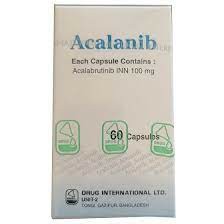
Acotinib has been launched in China, but it has not yet been included in medical insurance. Since it has just been launched, it is still difficult for patients to purchase it domestically. They need to purchase acotinib through overseas channels. The cheaper ones abroad are mainly generic drugs, mainly Bangladeshi generic drugs. The price is around 6,000 to 7,000, and the ingredients of original drugs and generic drugs are basically the same.
[ 免责声明 ] 本页面内容来自公开渠道(如FDA官网、Drugs官网、原研药厂官网等),仅供持有医疗专业资质的人员用于医学药学研究参考,不构成任何治疗建议或药品推荐。所涉药品可能未在中国大陆获批上市,不适用于中国境内销售和使用。如需治疗,请咨询正规医疗机构。本站不提供药品销售或代购服务。


