
.jpeg)
What are the precautions for Binimetinib?
During clinical studies of Binimetinib, warnings and precautions have emerged regarding new primary malignancies, cardiomyopathy, venous thromboembolism, eye toxicity, interstitial lung disease, hepatotoxicity, rhabdomyolysis, bleeding, embryo-fetotoxicity, etc. Discontinue and resume at a reduced dose upon recovery, or permanently discontinue bimetinib based on severity.
1. New primary malignant tumors: When Binimetinib is used in combination with canafenib (encorafenib), new primary malignant tumors of the skin and non-cutaneous may occur, which may include cutaneous squamous cell carcinoma and cutaneous papilloma. Monitor patients for new malignancies before initiating treatment, during treatment, and after discontinuation of treatment.
2. Cardiomyopathy: Cardiomyopathy has been reported as left ventricular dysfunction associated with symptomatic or asymptomatic decreases in ejection fraction in patients treated with bimetinib combined with canafenib. Ejection fraction is assessed by echocardiography or MUGA scan before starting treatment, one month after starting treatment, and every 2 to 3 months during treatment. The safety of bimetinib plus canafenib has not been established in patients with baseline ejection fraction less than 50% or below the institutional lower limit of normal (LLN). Patients with cardiovascular risk factors should be closely monitored while receiving bimetinib.
3. Venous thromboembolism: In clinical studies, patients treated with bimetinib combined with canafenib developed venous thromboembolism (VTE), including pulmonary embolism.
4. Eye toxicity: may include serous retinopathy, retinal vein occlusion (RVO), uveitis (including iritis and iridocyclitis), etc. Visual symptoms will be assessed at each visit. Perform regular eye exams for new or worsening vision impairment and follow up on new or ongoing eye exam results. and ophthalmic evaluation within24 hours of patient-reported acute vision loss or other visual impairment.
5. Interstitial lung disease (ILD)/pneumonia: In patients with BRAF mutation-positive melanoma who received bimetinib combined with canafenib, 0.3% of patients developed interstitial lung disease (ILD), including pneumonia. In PHAROS, pneumonitis occurred in 1% of patients treated with bimetinib. Evaluate findings of new or progressive unexplained pulmonary symptoms or possible ILD.
6. Hepatotoxicity: When bimetinib is combined with canafenib, hepatotoxicity may occur. In liver function laboratory testsThe incidence of grade 3 or 4 increases was 6% for alanine aminotransferase (ALT), 2.6% for aspartate aminotransferase, and 0.5% for alkaline phosphatase. No patient had grade 3 or 4 elevations in serum bilirubin. Monitor liver laboratory tests prior to initiating treatment with bimetinib, monthly during treatment, and as clinically indicated.
7. Rhabdomyolysis: When bimetinib is combined with canafenib, rhabdomyolysis may occur, and serum CPK laboratory values will increase in laboratory tests. Before initiating bimetinib, monitor CPK and creatinine levels periodically during treatment and as clinically indicated.
8. Bleeding: The most common bleeding event is gastrointestinal bleeding, including rectal bleeding, blood in the stool, and hemorrhoidal bleeding. In clinical studies, 1.6% of patients experienced fatal intracranial hemorrhage in the setting of new or progressive brain metastases, as well as anal bleeding and hemothorax.
9. Embryo -Fetal Toxicity: According to the results of animal studies and its mechanism of action, bimetinib taken by pregnant women will cause harm to the fetus. Bimetinib can produce embryotoxic and abortive effects when administered to rabbits during organogenesis at doses greater than or equal to 5 times the human exposure (recommended clinical dose is 45 mg twice daily). Pregnant women and women of reproductive potential are advised to be aware of the potential risk to the fetus. Advise females of childbearing potential to use effective contraception during treatment with bimetinib and for 30 days after the last dose.
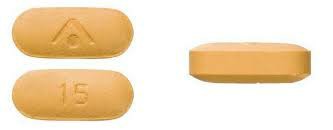
The original drug bimetinib has not yet been launched in China, and therefore is not covered by medical insurance. Bimetiniboriginal drug sold overseas, specifications15mg*84 tablets may cost more than 10,000 yuan per box (the price may fluctuate due to exchange rates), which is relatively expensive. There is currently no generic drug of Bimetinib produced and launched. For more drug information and specific prices, please consult a medical consultant.
[ 免责声明 ] 本页面内容来自公开渠道(如FDA官网、Drugs官网、原研药厂官网等),仅供持有医疗专业资质的人员用于医学药学研究参考,不构成任何治疗建议或药品推荐。所涉药品可能未在中国大陆获批上市,不适用于中国境内销售和使用。如需治疗,请咨询正规医疗机构。本站不提供药品销售或代购服务。


